
Eden Prairie, MN
Eden Prairie Garage Door Guide
Is Your Eden Prairie Garage Door Worth Repairing or Replacing?
Eden Prairie homes mostly date from 1957-2005, median build year 1977. Here's how that housing age and our cold climate decide whether a door repair or replacement makes sense.
- Licensed & Insured
- Same-Area Service Calls
- Upfront Pricing
The Problem
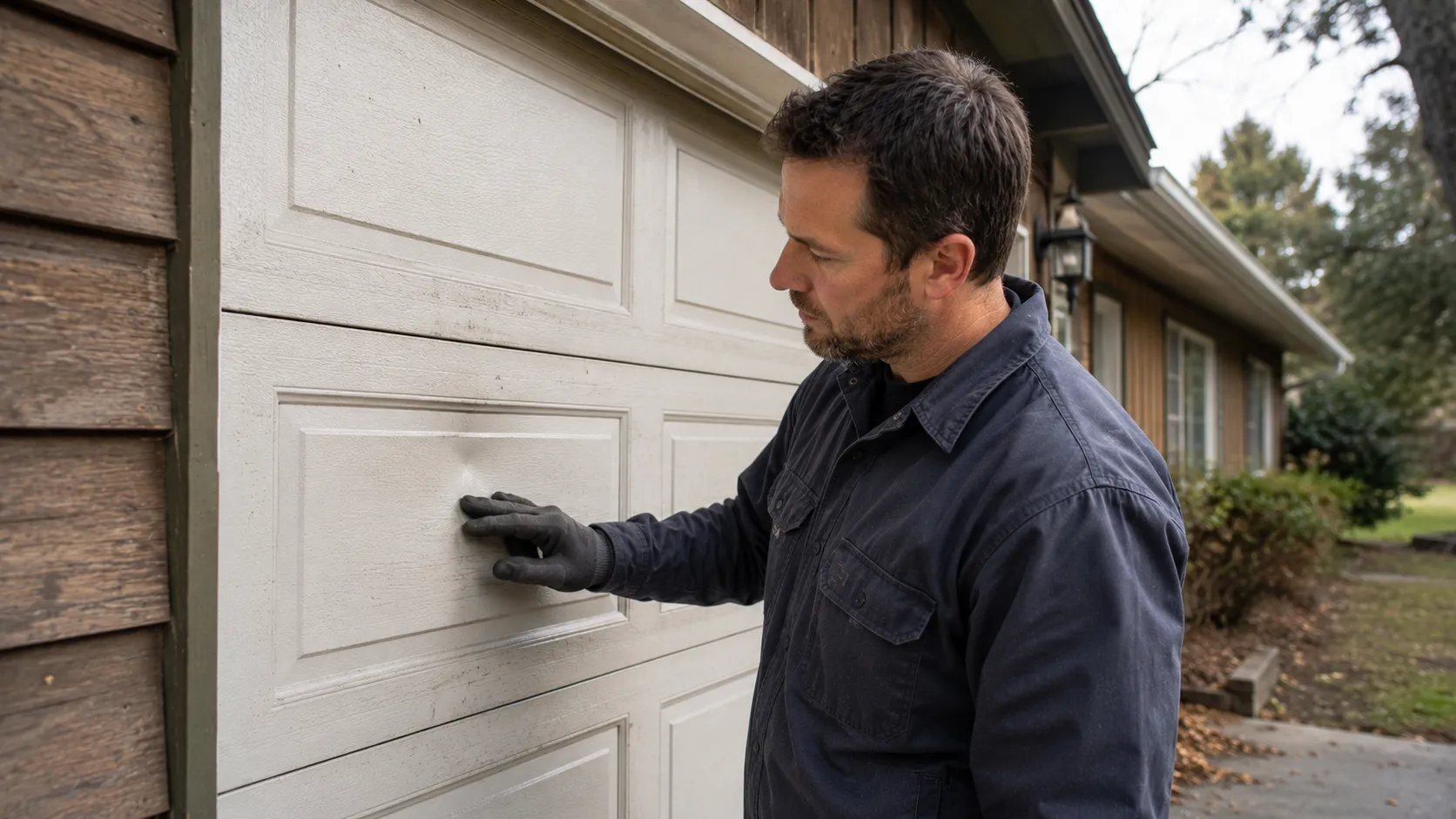
Most garage doors in Eden Prairie were installed when the house was built, and most of these houses went up between 1957 and 2005, with the median landing around 1977. That means a huge share of the doors we look at are original or one replacement removed from original - sections, tracks, and hardware sized to specs nobody stocks the way they used to. A door installed in 1977 has had roughly five decades of Minnesota winters working on its springs, seals, and rollers.
The question homeowners actually need answered isn't "is this door old" - almost all of them are - it's whether the specific parts wearing out are worth replacing on a door this age, or whether the door itself is done. That call depends on what's actually failing, not on the door's birth year alone. A worn weather seal on a 1980s steel door is a cheap fix.
A warped panel on the same door, after enough freeze-thaw cycles have worked at the seams, usually isn't worth chasing with patch repairs.
What Local Conditions Do
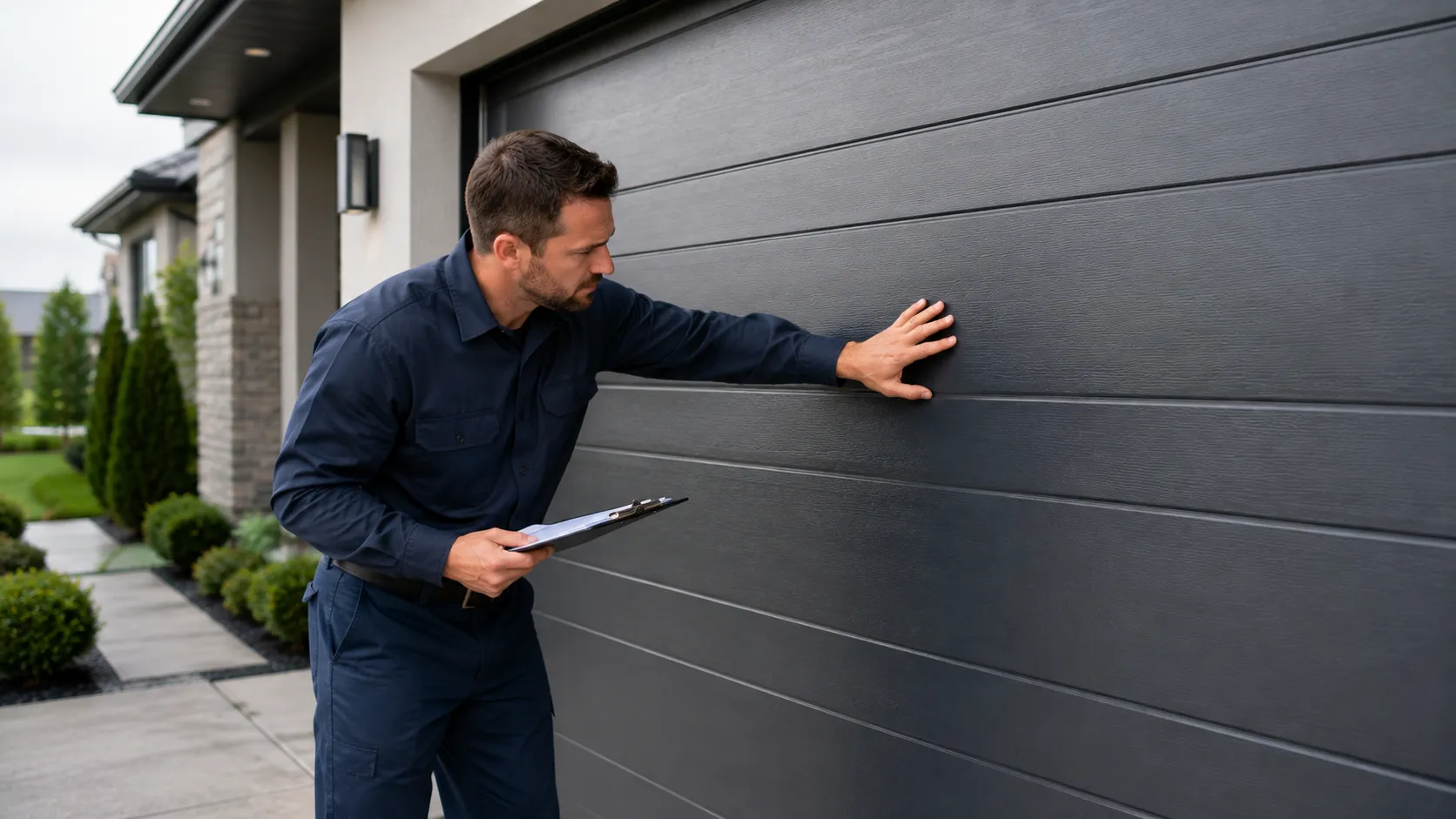
Eden Prairie sits in a cold-severe climate band, and that shapes what actually breaks on a garage door here versus a milder climate. Torsion springs lose tension faster when they're cycling through temperature swings from summer humidity to sub-zero cold, and the older double-loop springs common on 1960s-70s stock weren't built for the number of cold-start cycles they've now logged. Bottom seals on doors from that era are usually a basic rubber gasket, and after enough winters that rubber cracks and stops sealing, which lets meltwater and cold air into the garage.
None of this is dramatic - it's slow wear, spring by spring, cycle by cycle - but it means a door that looks fine in July can bind, drag, or drop unevenly once the cold sets in. The fix for a spring or seal problem is straightforward. The fix for a track that's been forced out of alignment by an unbalanced spring for a few winters running is a bigger job, and that's the line where repair starts costing more than it saves.
What Changes With the Season
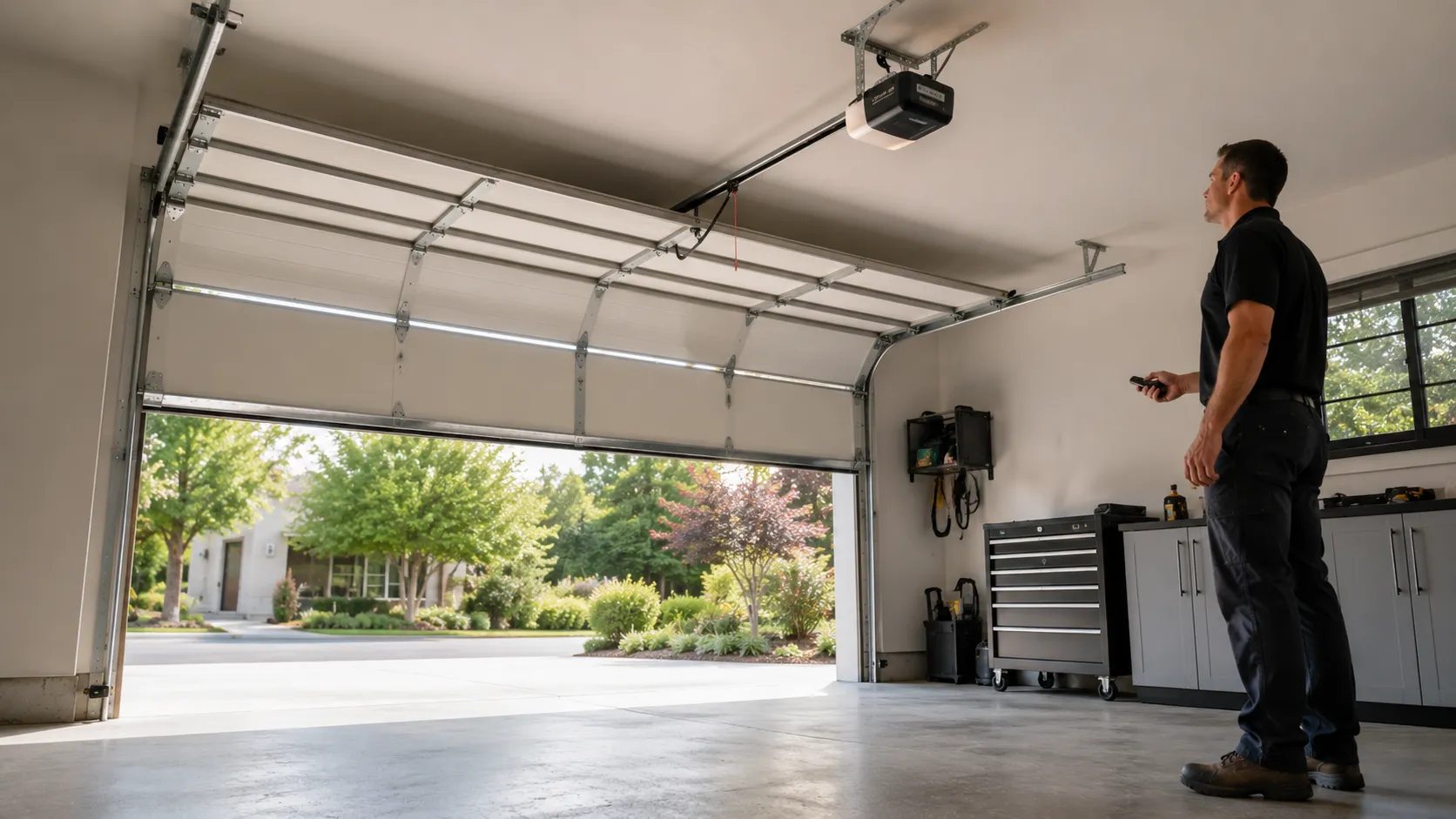
Cold-severe winters mean the biggest stress on an older door happens in the months when you least want it to fail. Steel contracts in the cold, lubricant thickens, and a spring that was already near the end of its life is more likely to snap on a January morning than a July afternoon. If your door dates to the 1960s or 70s stock common across this area, the opener may also be original or a first-generation replacement, and older openers don't have the force-sensing safety features required in current units - that's a real gap, not just an inconvenience.
We don't push a full opener swap on every service call, but if yours predates modern safety reversal, it's worth flagging even if the door itself still works. Spring failures cluster in cold snaps for a mechanical reason: metal fatigue that's been building for years finally gives when the steel is stiffest and least forgiving.
What to Look At First
Before deciding to replace an older door, check three things. First, the panels: surface rust or a small dent is cosmetic, but a panel that's bowed or delaminating at the seams on a door built during the 1957-2005 boom has usually taken enough freeze-thaw damage that patching it just delays the same call next winter. Second, the springs: if they're the original double-loop torsion springs from a 1970s-era install, replacing one aging spring often means the other lets go within the year, so we typically price both.
Third, the track and rollers: if the door is dragging or off-balance, that's often a track knocked out of alignment by years of an unbalanced spring, and realigning track on an older door frame can cost more than the door is worth once you add it up. One limitation worth saying plainly: if the frame itself has shifted with the house's foundation over fifty-some years, no amount of track or spring work fixes that - that's a replacement conversation, not a repair one.
How We Can Help
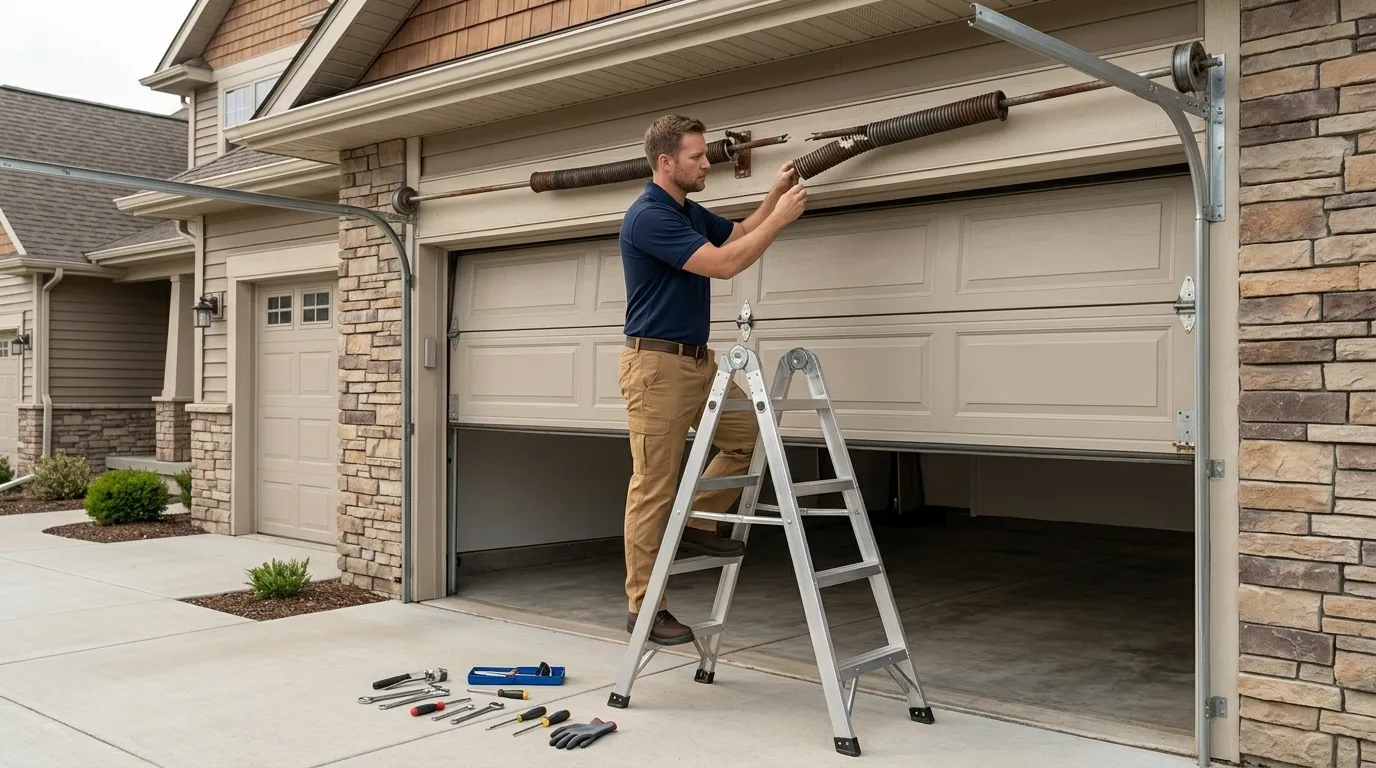
Garage Door Repair
Springs, cables, tracks, rollers, and openers fixed by a tech who explains the problem before touching anything.
Learn more →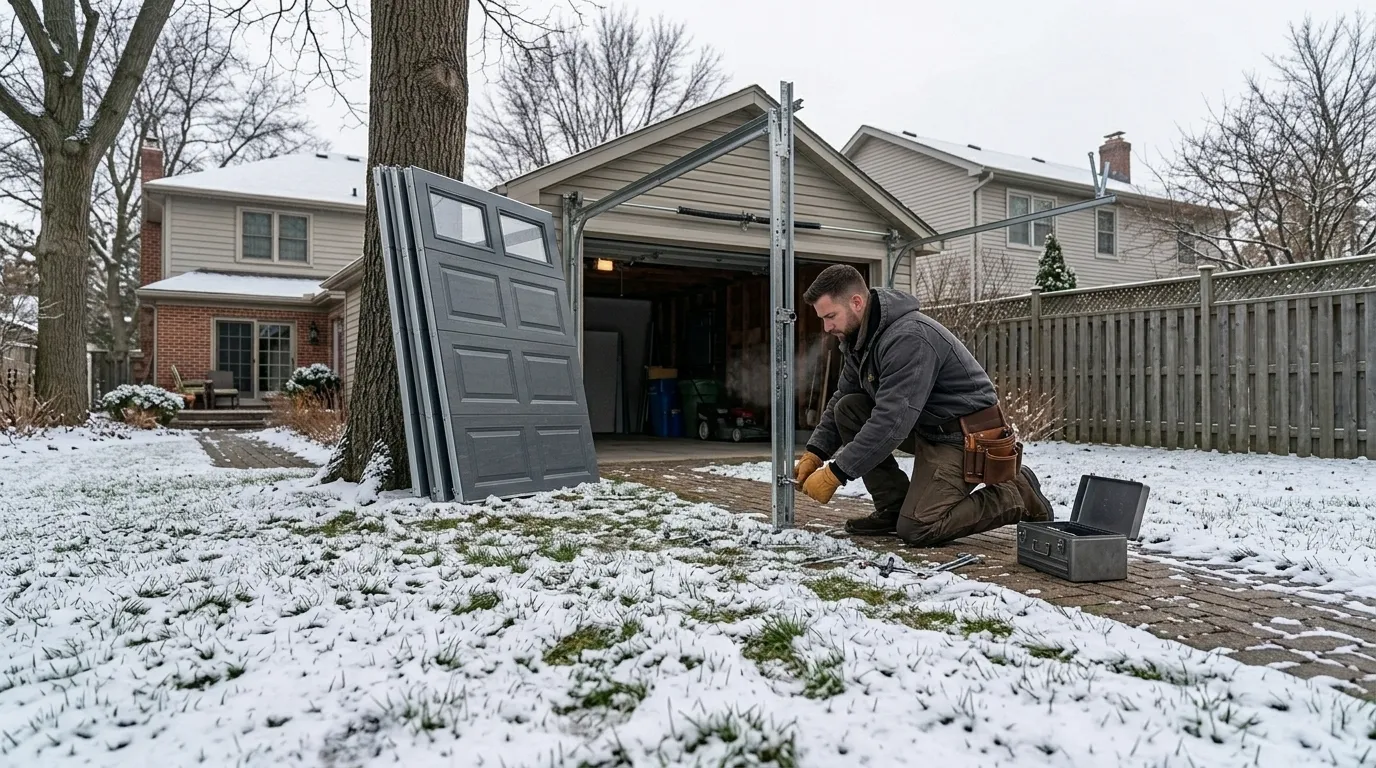
Garage Door Installation
New sectional doors sized and installed for the housing stock actually built in this area.
Learn more →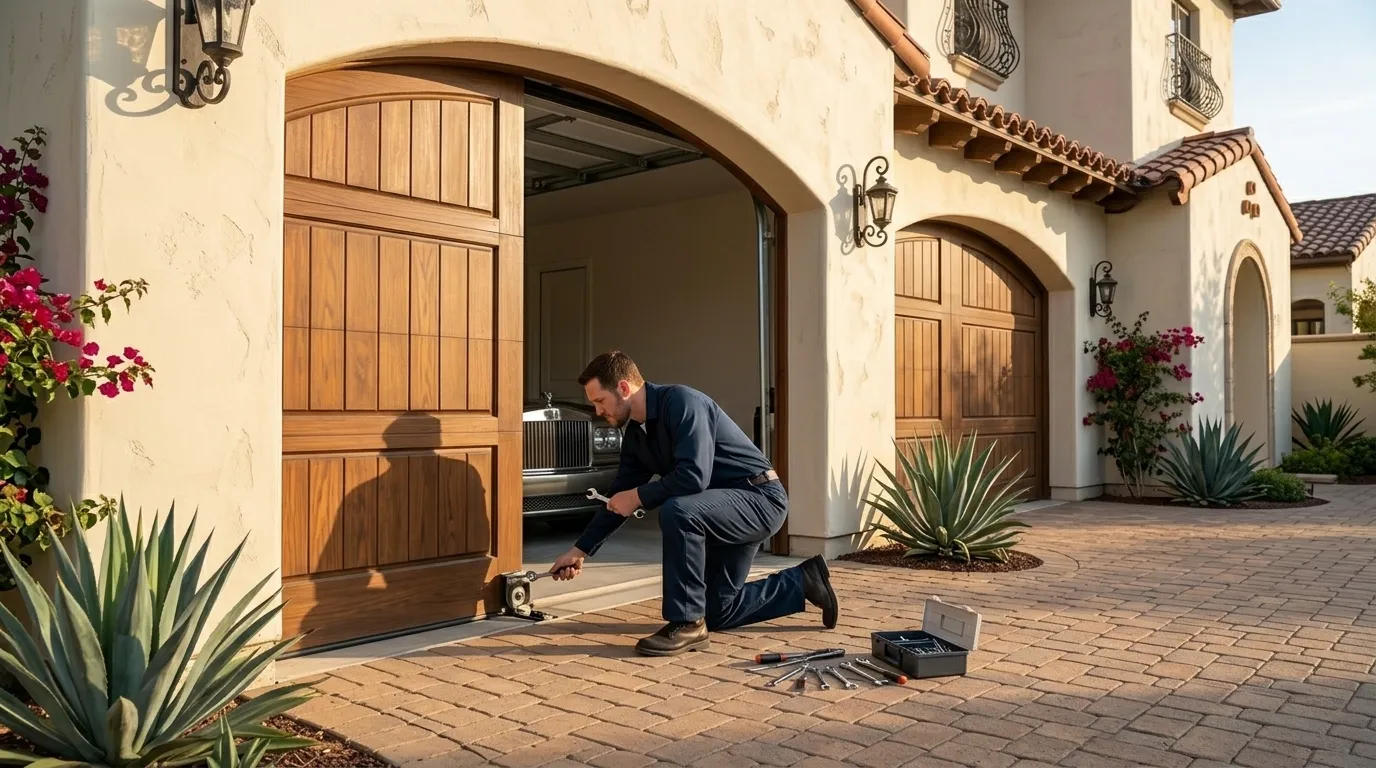
Garage Door Service
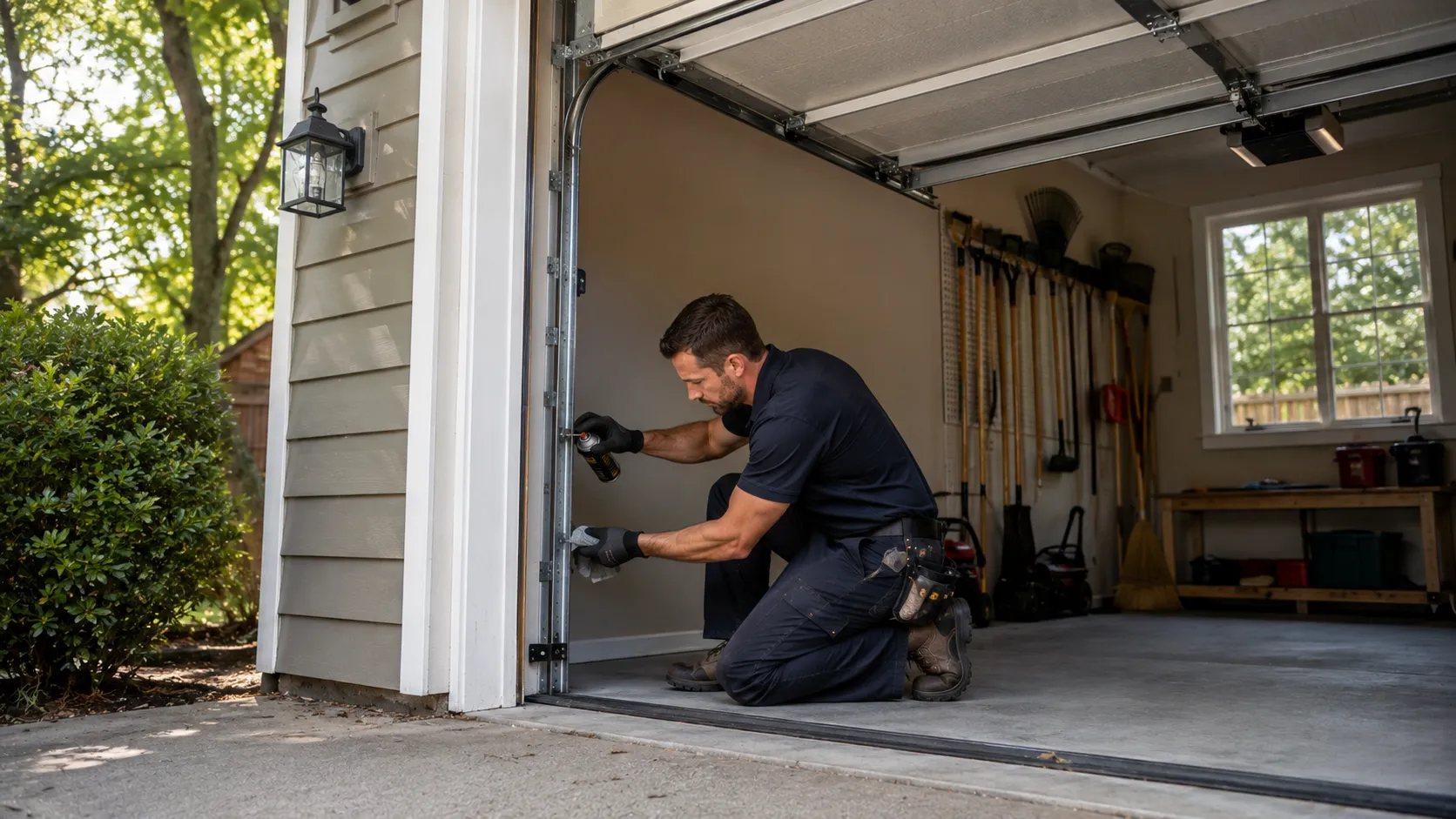
Tune-ups, lubrication, and safety checks that catch a small problem before it becomes a service call.
Learn more →Frequently Asked Questions
How do I know if my garage door is original to the house?
If your Eden Prairie home was built in the 1960s or 70s, which is common across this area, and the door has never been mentioned in your closing paperwork or by a previous owner, it's very likely original or close to it. Steel doors from that era usually show it in the seams and hardware style - we can tell within a few minutes on site.
Is it cheaper to fix a 1970s-era spring or replace the whole door?
A single spring replacement is almost always cheaper than a new door, even on an original 1970s installation. The math changes if the panels or track are also failing - at that point you're paying for multiple repairs that add up close to replacement cost, and a new door comes with a modern opener and safety reversal an older setup lacks.
Why did my spring break in the middle of winter?
Cold-severe winters put more stress on steel torsion springs, and a spring already worn from decades of cycling is most likely to fail exactly when the metal is stiffest - hard cold snaps. It's not bad luck so much as fatigue that had been building for years finally giving out.
Does an older opener need to be replaced along with the door?
Not always, but if your opener predates modern force-sensing safety reversal, that's worth addressing regardless of the door's condition. We'll look at both and tell you honestly whether the opener has a real gap or is just older but still safe.
Have a Door That Needs a Second Opinion?
Call and describe what it is doing - we will tell you what it likely is.