
Eden Prairie, MN
Eden Prairie Garage Door Guide
Why Eden Prairie's Garage Doors Fail Where the Insulation Doesn't
Eden Prairie homes built 1957-2005 predate modern insulation codes, leaving garage doors as the weak point in a Minnesota winter. Here's what to check.
- Licensed & Insured
- Same-Area Service Calls
- Upfront Pricing
The Problem
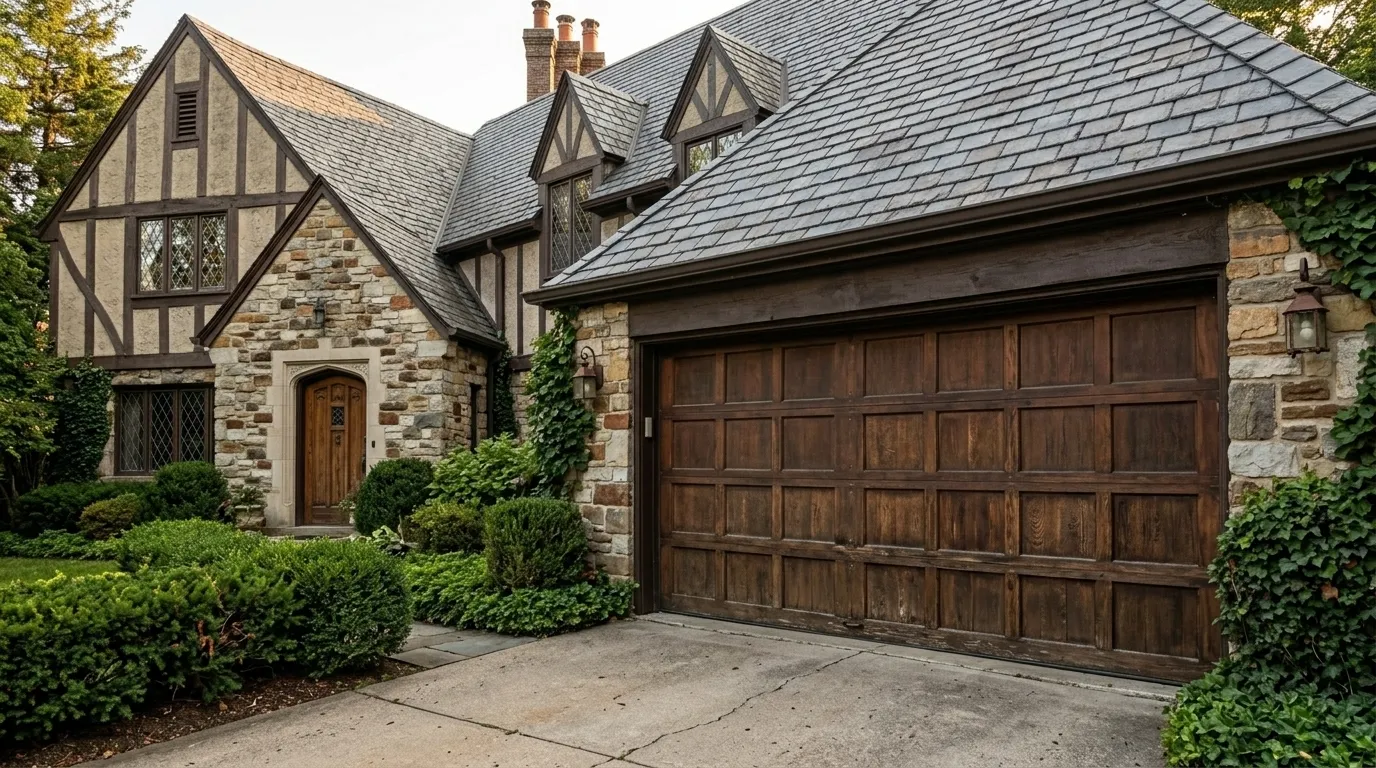
Most houses in this part of Eden Prairie went up between 1957 and 2005, with the median build year landing around 1977 and the heaviest concentration in the 1960s and 70s. That matters more than people think.
Minnesota didn't tighten residential energy codes until well after these subdivisions were framed, which means a huge share of the original garage doors here are single-layer steel or hollow-core panels with no thermal break at all. The door was never built to hold heat - it was built to keep out weather, full stop.
Owners in these homes usually notice the problem in the wrong place. They add insulation to the attic, seal the rim joist, and never touch the garage, so the coldest surface in the house stays the coldest surface in the house. On an attached garage that shares a wall with a mudroom or laundry room, that single-layer door is doing more to raise the heating bill than a drafty window ever could.
This isn't a defect. It's just what the building code allowed when the house was framed, and it's still doing exactly what it was built to do.
What Local Conditions Do
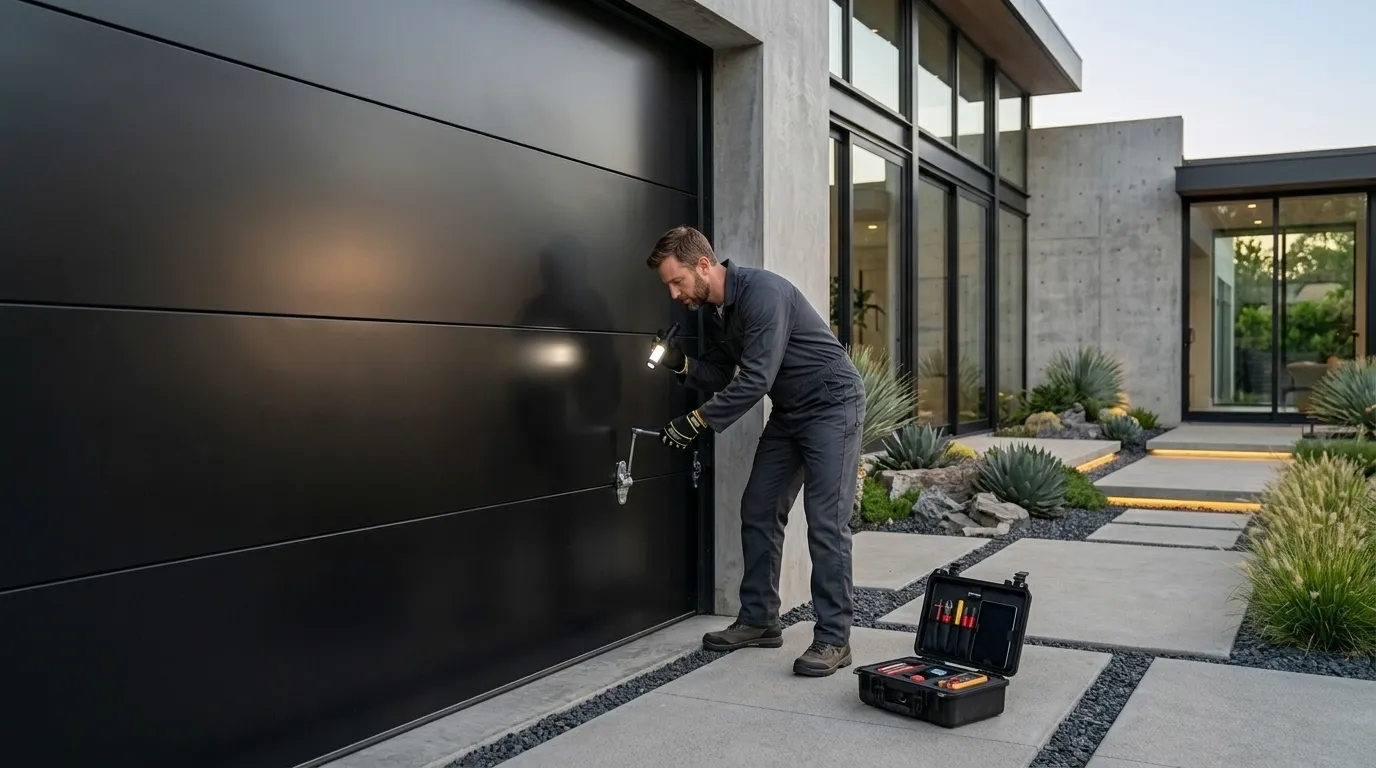
This area sits in a climate band classified as cold-severe, which is a different design problem than a door in a mild climate ever has to solve. Steel contracts in deep cold, lubricants thicken, and nylon rollers that run quiet in July start slapping the track in January. None of that is a manufacturing flaw - it's what cold-severe conditions do to hardware that wasn't specified for it.
The service area around Eden Prairie covers 43 named communities, and the housing pattern repeats across most of them: 1960s and 70s construction, same-era hardware, same climate load. Chanhassen sits five miles out, Excelsior six, Deephaven seven - all inside the same building era and the same cold-severe band, which is why a spring that's failing in one of these towns is usually failing for the same reason a few miles over. Across the wider area there are roughly 223,032 households and 102,257 owner-occupied houses, with a median household income near $104,929 - a market where people tend to fix a door properly rather than patch it twice, which is worth knowing before you decide between a repair and a full replacement.
What Changes With the Season
Cold-severe winters don't just slow a door down, they change what breaks. Torsion springs lose tension as steel contracts, so a spring that was marginal in October can snap outright the first hard cold snap in December - and on a 1970s-era double door, that's often a spring nobody's replaced since the house was built. Openers strain harder to lift a door that's stiffer in the cold, and older chain-drive units common in this housing stock start showing worn sprockets under that extra load.
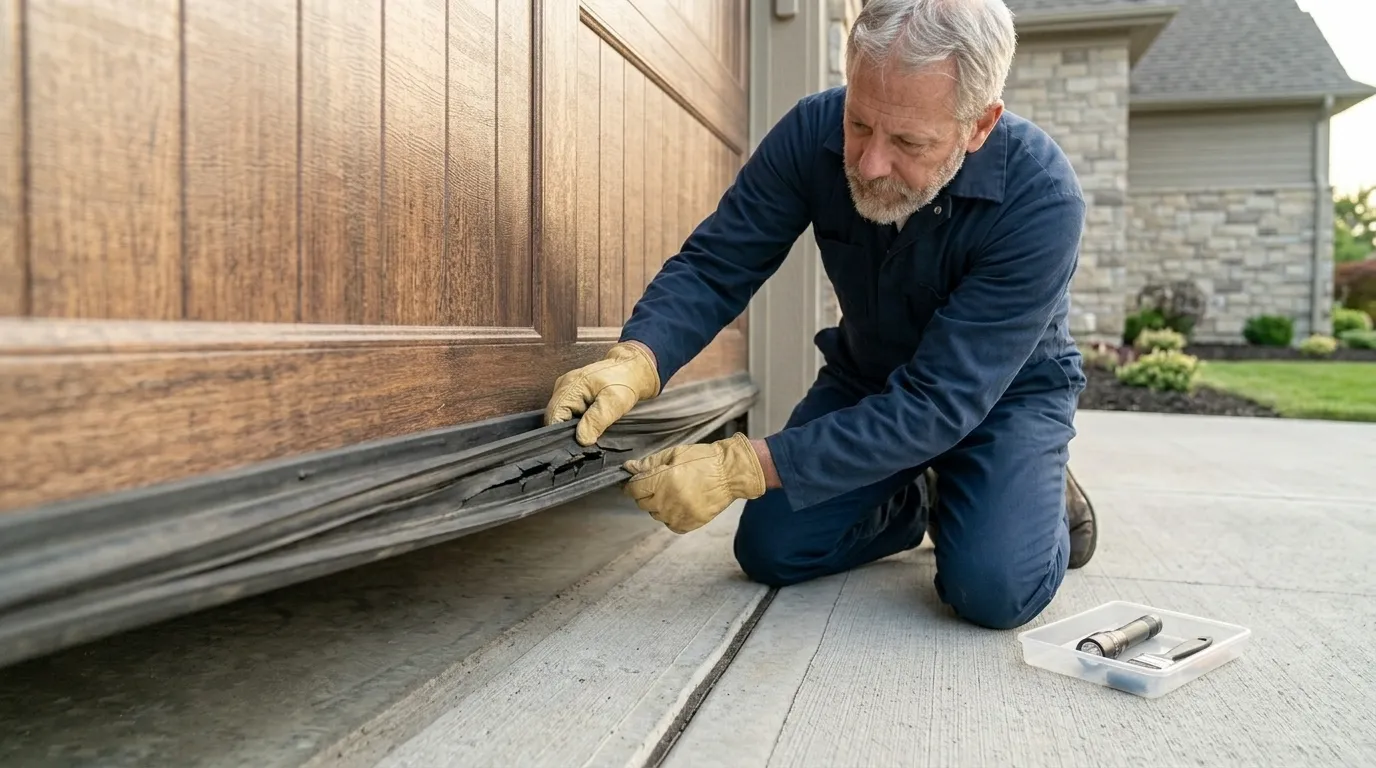
Weatherstripping is the other seasonal tell. On original doors from this era, the bottom seal was never designed for decades of freeze-thaw cycling, so it hardens and cracks, and cold air pours in right at the slab. Come spring, the same houses often show track misalignment from a winter's worth of frozen ground shifting the slab a few millimeters - enough to bind a roller that ran fine in August.
None of this is dramatic. It's slow wear, compounding every winter the original hardware stays in service.
What to Look At First
Start with the door's age relative to the house. If your Eden Prairie home falls in that 1957-2005 build window and the door has never been replaced, check whether it's a single steel skin with no insulation layer - you'll feel it by hand on a cold day, since an insulated door won't be ice-cold to the touch on the inside face. That's usually the first sign the door predates any insulation requirement.
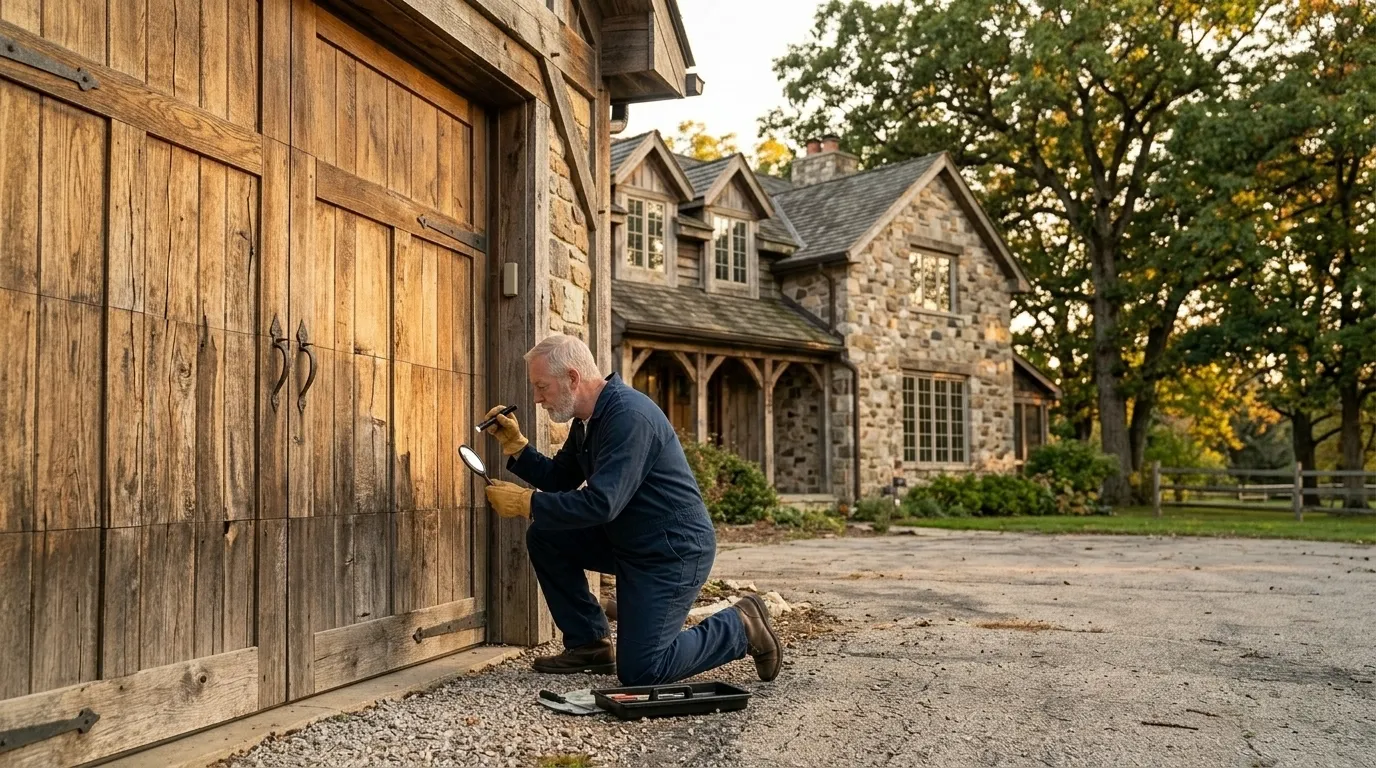
Next, check the spring. A torsion spring on a door this old has likely done tens of thousands of cycles already, and cold-severe winters shorten that lifespan further - if it's original to a 1970s install, it's overdue regardless of how it looks. Look at the bottom seal for cracking and the rollers for flat spots or rust.
Here's the honest limit: we don't recommend adding insulation panels to a door frame or hardware that's already failing structurally. If the springs, rollers, and seal are all original and worn, insulating retrofits on top of that is money spent on the wrong problem - replacement is usually the better call at that point.
How We Can Help
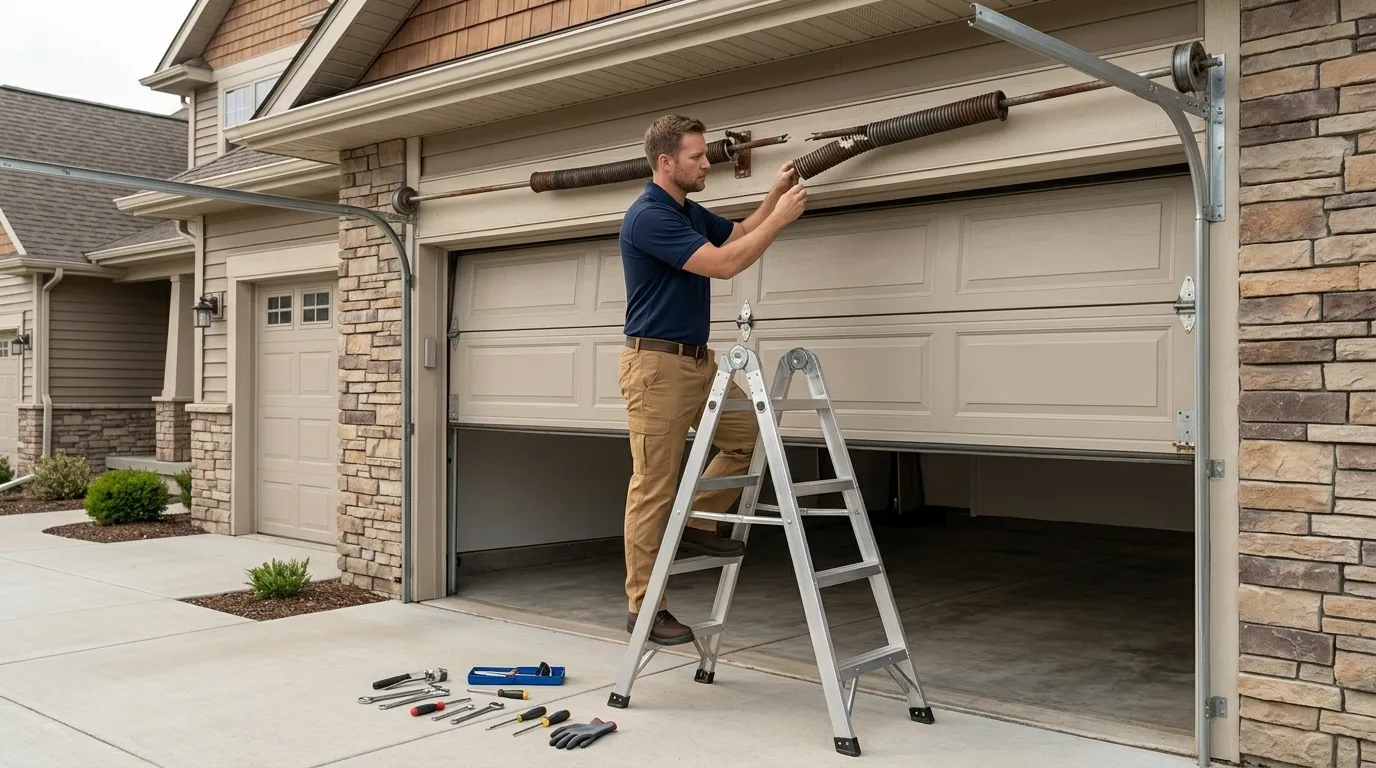
Garage Door Repair
Springs, cables, tracks, rollers, and openers fixed by a tech who explains the problem before touching anything.
Learn more →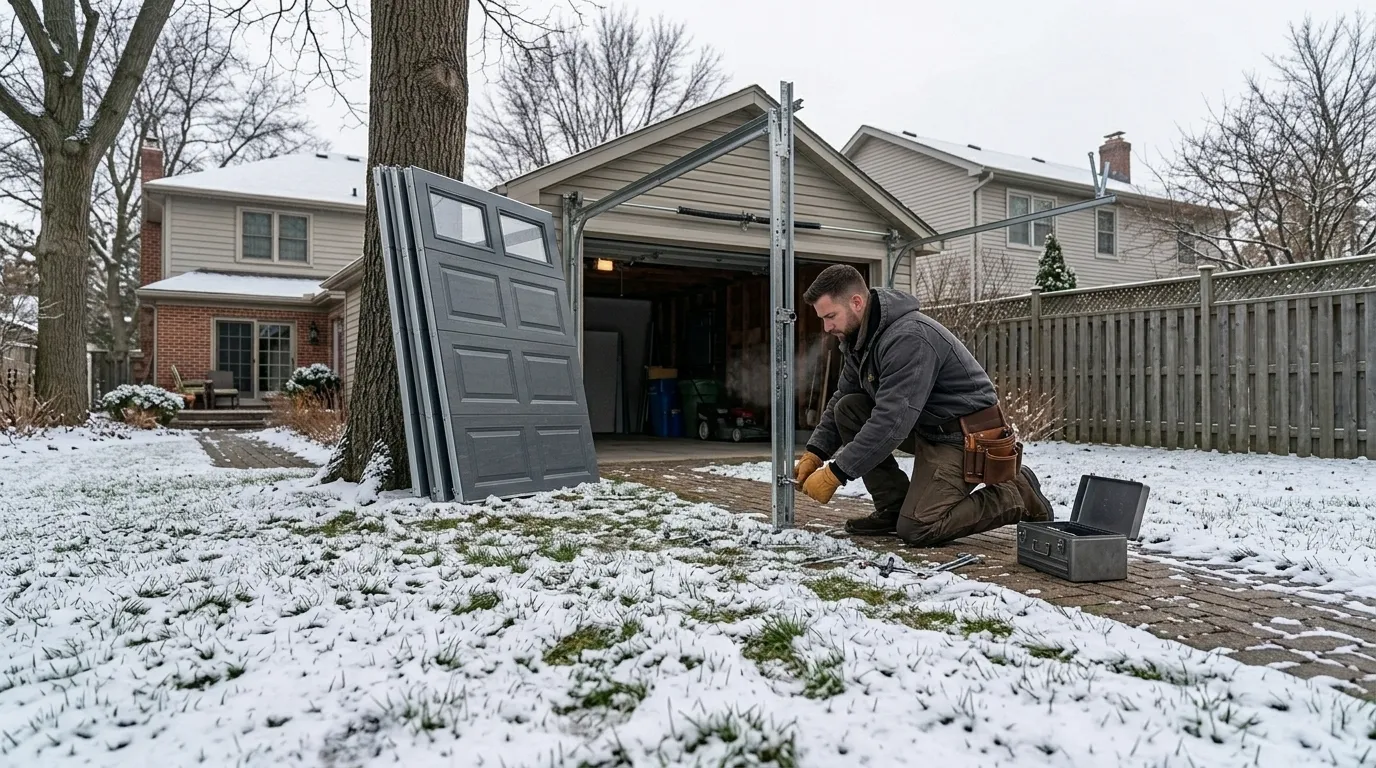
Garage Door Installation
New sectional doors sized and installed for the housing stock actually built in this area.
Learn more →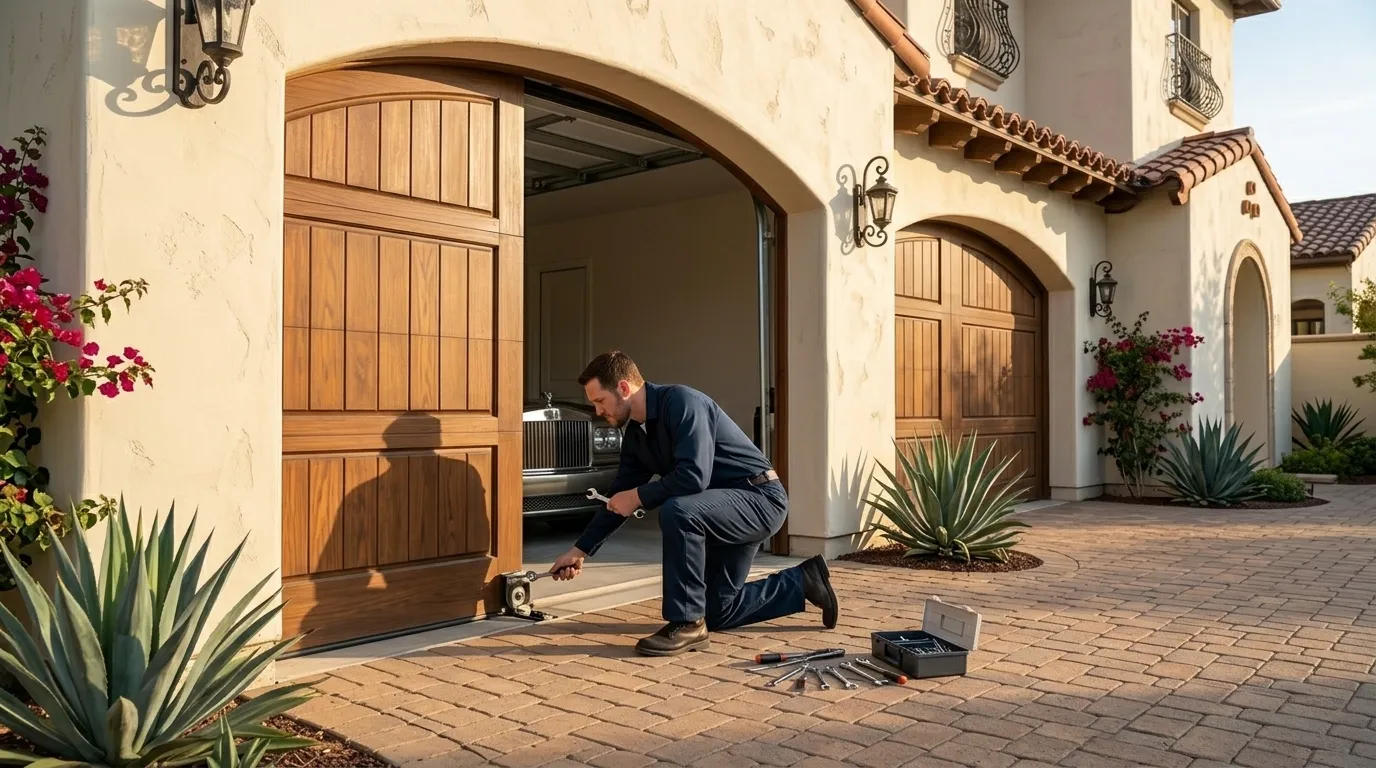
Garage Door Service
Tune-ups, lubrication, and safety checks that catch a small problem before it becomes a service call.
Learn more →Frequently Asked Questions
Why is my garage door so cold in winter if the rest of the house is insulated?
Most Eden Prairie houses were built between 1957 and 2005, before doors were required to have any insulation layer. If yours hasn't been replaced, it's likely a single steel skin doing nothing to hold heat, which is why the garage stays the coldest room even after you've sealed everything else.
Does the cold really break garage door springs faster here?
Yes. This area sits in a cold-severe climate band, and steel torsion springs lose tension as they contract in deep cold. A spring that's been marginal for a year or two often fails outright during the first hard cold snap, especially on original 1960s-70s hardware that's never been replaced.
Is it worth insulating an old door instead of replacing it?
Depends on the hardware. If the springs, rollers, and seals are still in decent shape, adding an insulation kit can help. If they're original and worn, which is common on houses from this era, insulating on top of failing hardware doesn't solve the real problem - replacement is the better move.
Have a Door That Needs a Second Opinion?
Call and describe what it is doing - we will tell you what it likely is.