
Eden Prairie, MN
Eden Prairie Garage Door Guide
Why Safety Sensors Drift on Eden Prairie Garages
Eden Prairie garages built 1957-2005 and severe cold winters both push safety sensors out of alignment. Here's why, and what to check before you call.
- Licensed & Insured
- Same-Area Service Calls
- Upfront Pricing
The Problem
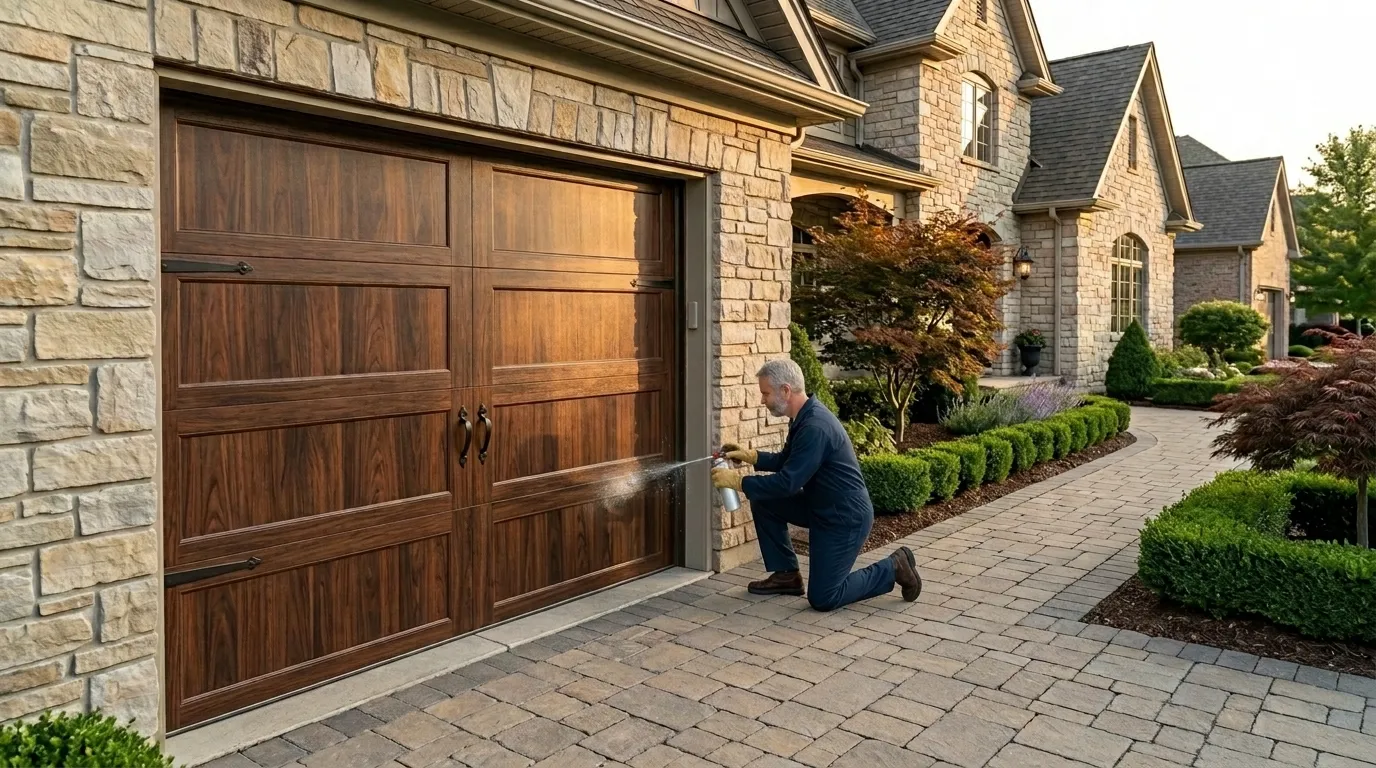
Your garage door won't close, or it closes partway and reverses, and the opener light is blinking a code that means the safety sensors can't see each other. This is one of the most common calls we get, and it almost never means the sensors themselves are broken. It means something moved.
The two sensors - one on each side of the track, low near the floor - have to be aimed at each other within a few degrees. When they're aligned, a steady LED shows on both.
When one drifts even slightly, the beam misses, and the opener refuses to close the door as a safety measure. That part of the system works exactly like it's supposed to.
What's specific to a house here isn't the sensor hardware - it's what it's bolted to. Eden Prairie's housing stock runs from 1957 up through 2005, with the bulk of it dating to the 1960s and 70s across the area's 43 named neighborhoods.
That's a lot of garages with original brackets, original jamb wood, and decades of seasonal movement behind them. A sensor mounted in 1971 has had fifty-plus winters to work its screws loose.
What Local Conditions Do
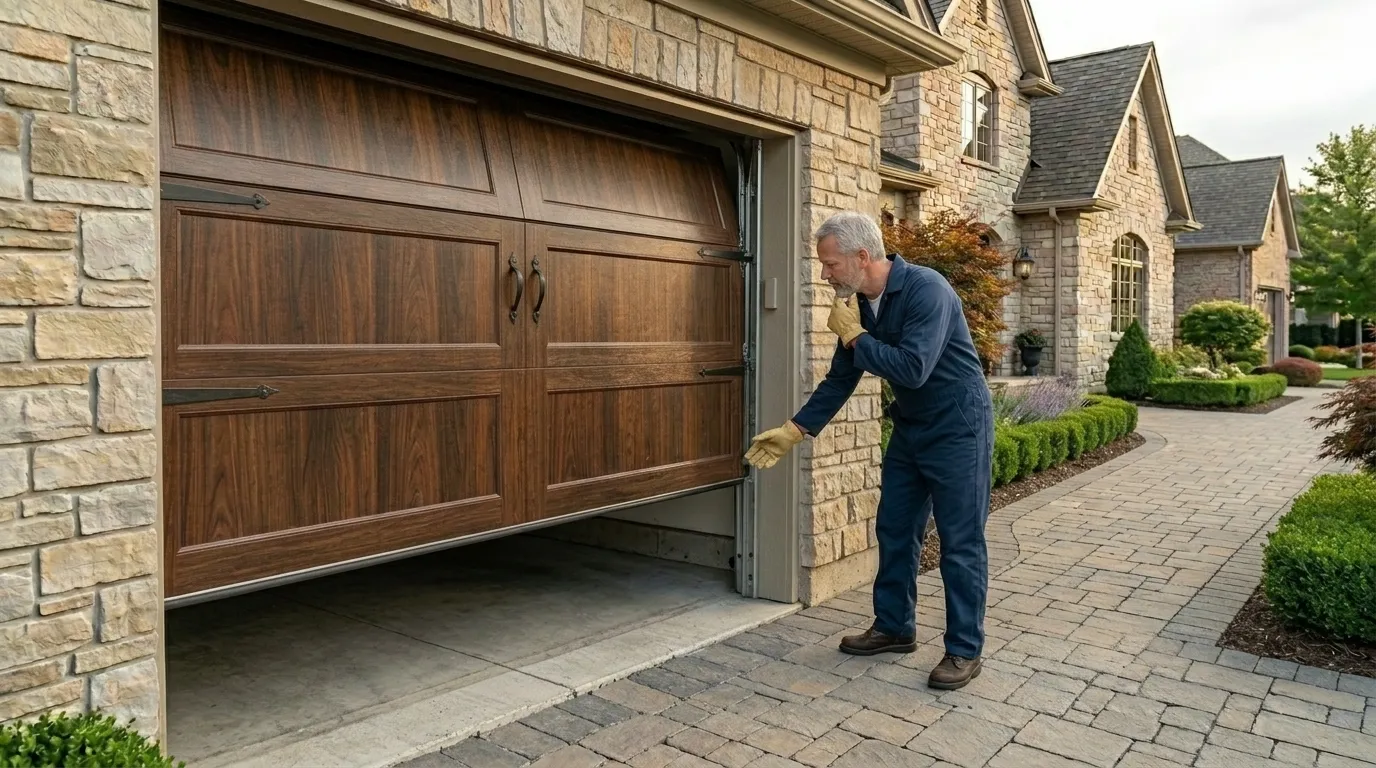
Eden Prairie sits in a severe cold climate band, and that matters more for sensor brackets than people expect. It isn't the cold itself that knocks a sensor out of line - it's the freeze-thaw cycle acting on the wood and concrete the bracket is anchored to.
A garage built in the 1960s or 70s typically has the sensor bracket screwed into a wood jamb, not a steel frame. Over enough winters, that wood swells with moisture, freezes, dries out, and shrinks again.
Each cycle loosens the screw threads a little more. The bracket doesn't fall off - it just tips a degree or two, which is all it takes to break the beam.
Slab movement plays a role too. Older concrete garage floors in this area have had decades to heave and settle slightly with frost, and if a sensor was mounted low relative to the slab rather than to the door track itself, that slow settling shows up as a beam that used to line up and now doesn't. This is a mechanical, physical-movement problem, not an electrical fault, and that's the distinction that decides whether a five-minute adjustment fixes it or whether the bracket needs to be reset into solid material.
What Changes With the Season
The complaints cluster hard around the first real cold snap and again in early spring. In late fall, the ground starts to freeze and shift, and any bracket that was already marginal finally tips past the point where the LED holds steady. We see a run of these calls every year right when temperatures drop and stay down.
Spring brings the opposite problem. As frost comes out of the ground and the slab settles back, a sensor that was fighting a winter tilt can suddenly clear - or, just as often, get worse, because the settling isn't perfectly even on both sides of the door.
Sunlight plays a smaller but real role too. Low winter sun angle can wash out a sensor's receiver eye in the late afternoon, especially on garages facing certain directions, and that can look identical to a misalignment problem even when the bracket hasn't moved at all. If your door only refuses to close at a certain time of day, that's worth ruling out before you touch any hardware, since resetting a sensor that was never actually misaligned just wastes a service call.
What to Look At First
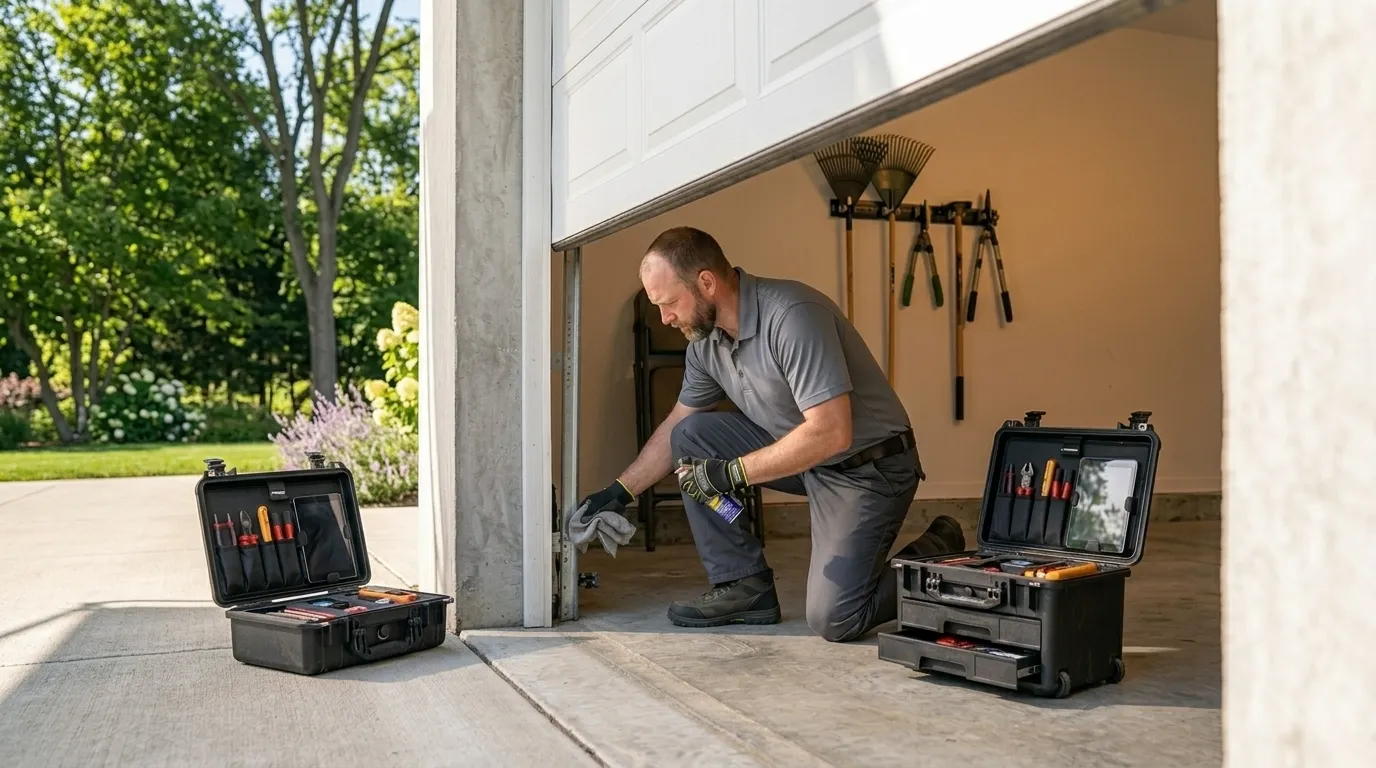
Before assuming you need a repair, check both sensor lenses for dust, cobwebs, or a stray leaf - this sounds too simple, but it's the fix more often than not. Wipe them with a dry cloth and try the door again.
Next, look at how each bracket sits relative to the track. If one looks tilted compared to the other, or if you can see daylight or a gap behind the bracket where it meets the wood, that's your freeze-thaw movement showing up visually. Don't force it back into place by hand; the screws are usually already stripped in older jamb wood, and forcing it just strips them further.
Here's the honest limit: if the bracket is anchored into wood that's rotted, cracked, or soft - which happens on garages from the older end of Eden Prairie's building stock - realigning the sensor won't hold. That's a carpentry repair first, sensor adjustment second, and we'll tell you that on the spot rather than reset a bracket into wood that won't hold a screw. If the wood is sound, a proper realignment is usually quick.
How We Can Help
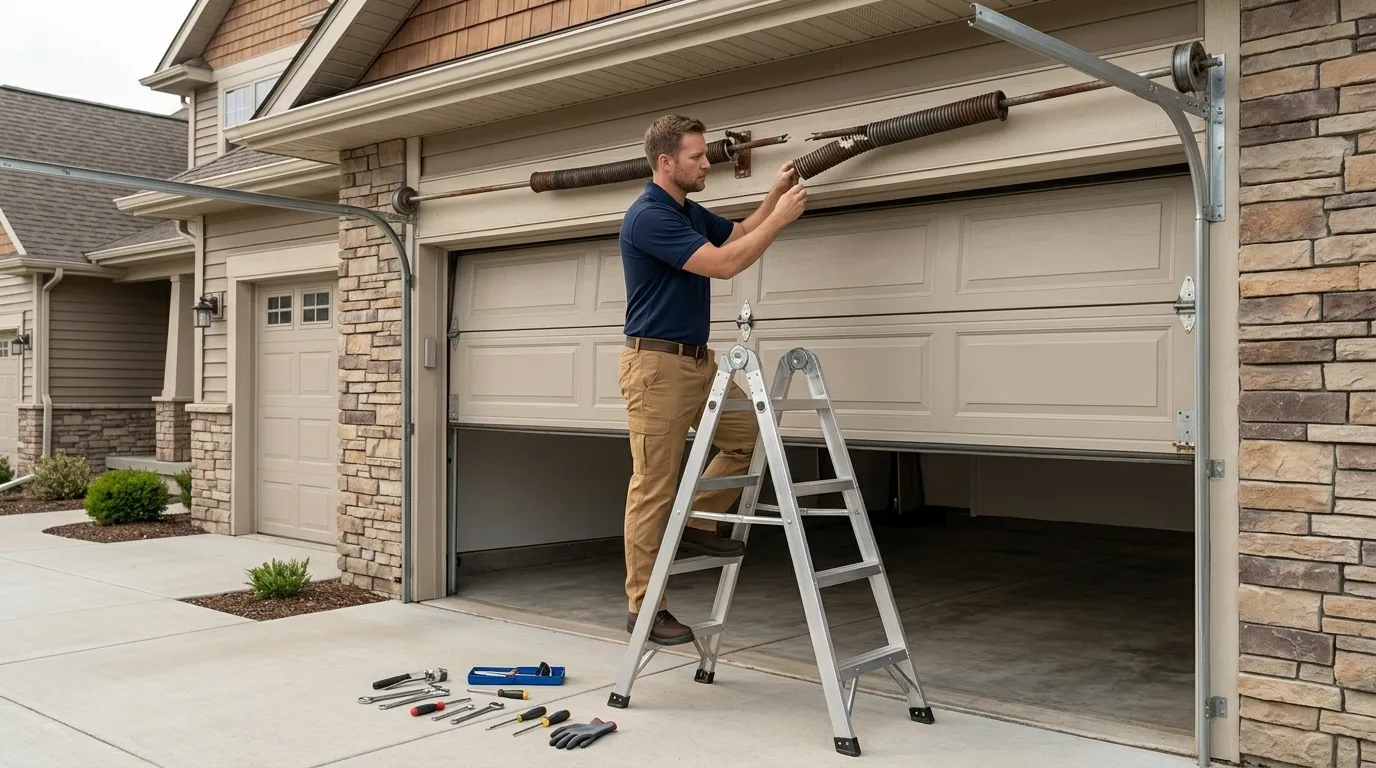
Garage Door Repair
Springs, cables, tracks, rollers, and openers fixed by a tech who explains the problem before touching anything.
Learn more →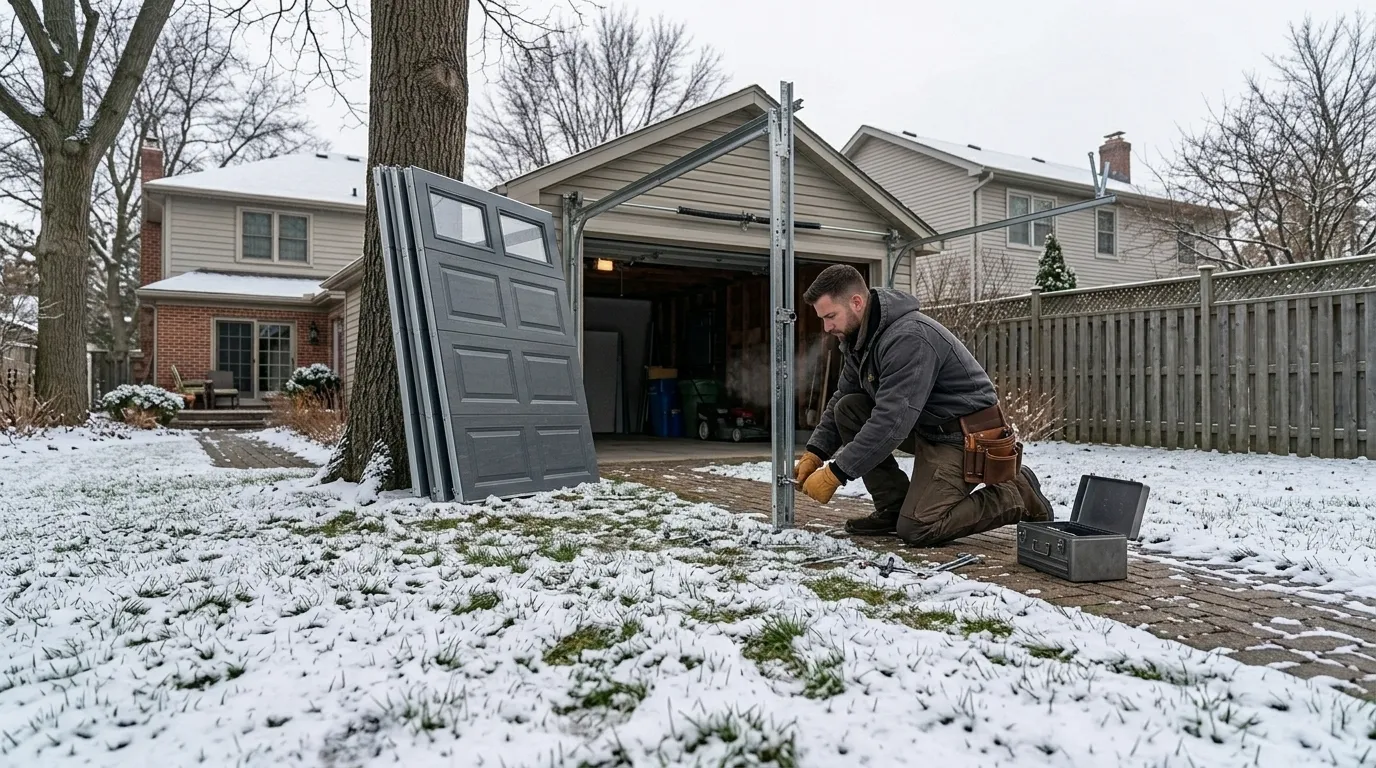
Garage Door Installation
New sectional doors sized and installed for the housing stock actually built in this area.
Learn more →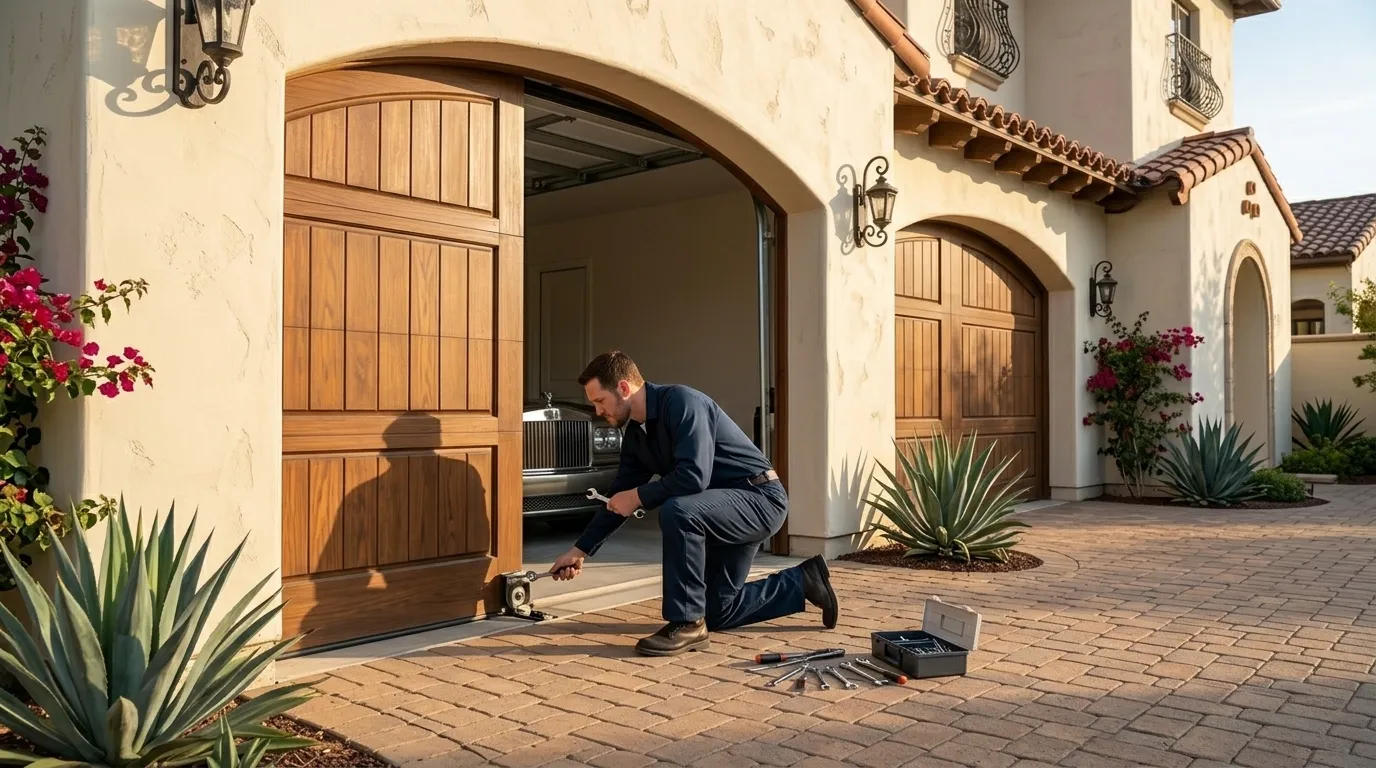
Garage Door Service
Tune-ups, lubrication, and safety checks that catch a small problem before it becomes a service call.
Learn more →Frequently Asked Questions
Why does my garage door only fail to close in the winter?
It's almost always bracket movement, not a broken sensor. Eden Prairie's older jamb-mounted brackets shift slightly as the wood around the screws freezes and thaws through the season, tipping the sensor a degree or two off its pair. That's enough to break the beam even though nothing is actually damaged.
Is a flashing opener light always a sensor problem?
Usually, yes, if the flash pattern matches your opener's sensor-fault code. It means one sensor can't see the other's beam. Check for dirt or an obstruction first, then look at whether either bracket has visibly tilted from the track - that's the more common cause on older Eden Prairie garages.
Can I fix sensor alignment myself?
Often, yes - loosening the bracket screw slightly and adjusting until the LED holds steady is a straightforward job. The exception is when the bracket is anchored into wood that's cracked or rotted, which happens on garages from the older end of the local building stock. In that case the wood needs attention before the sensor will hold alignment.
Have a Door That Needs a Second Opinion?
Call and describe what it is doing - we will tell you what it likely is.