
Eden Prairie, MN
Eden Prairie Garage Door Guide
Buying a Replacement Door in Eden Prairie: What Actually Matters
A look at what actually drives a garage door replacement decision in Eden Prairie, tied to the age of local houses and the region's cold winters.
- Licensed & Insured
- Same-Area Service Calls
- Upfront Pricing
The Problem
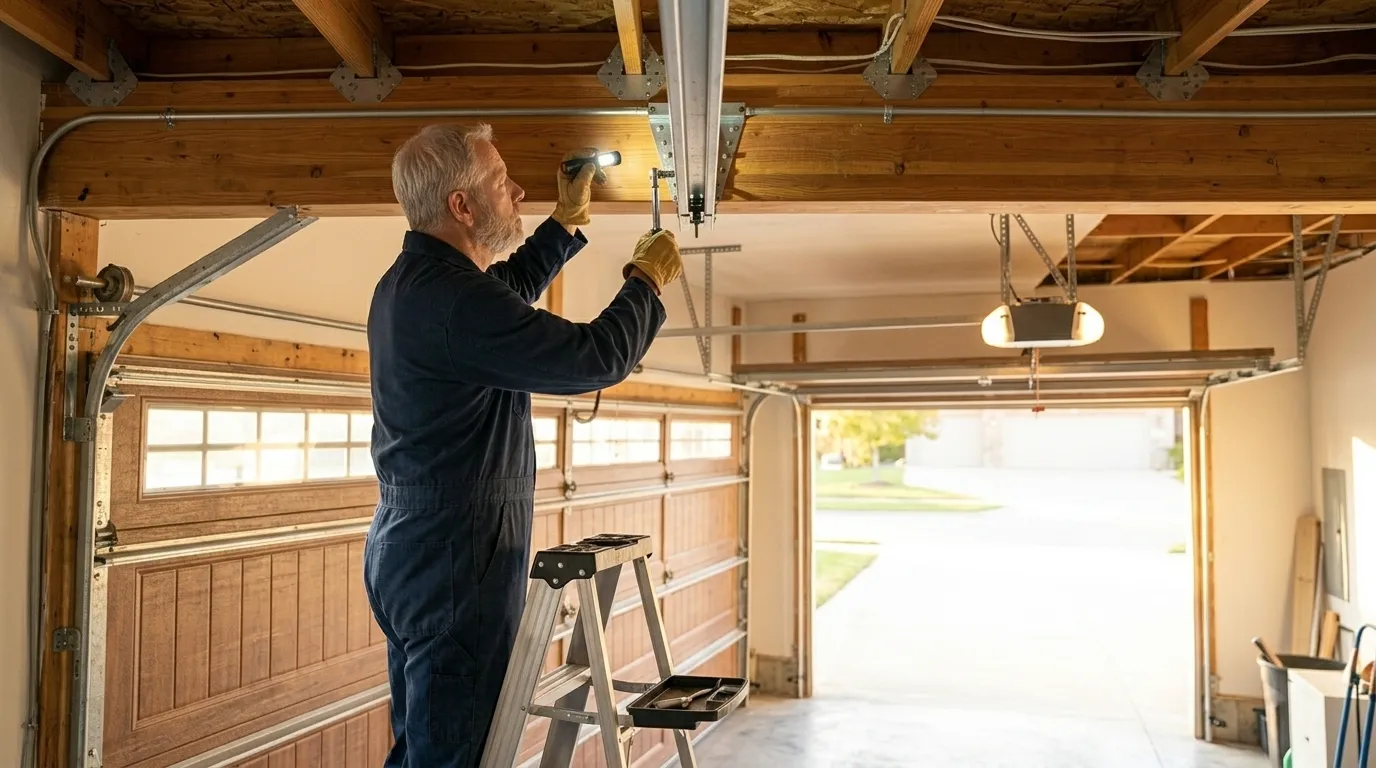
Most of the calls we get here aren't about a door that looks bad. They're about a door that's started fighting the owner every morning. Eden Prairie's housing stock mostly went up between 1957 and 2005, with a lot of it clustered in the 1960s and 70s build wave that shaped much of this part of the metro.
A door installed when a house was built in, say, 1968 has had five decades to work through springs, rollers, and hardware that were never meant to last that long. The tricky part is that a door can look fine and still be running on borrowed time - painted panels hide rust at the hinges, and a track that's slightly bent from age doesn't announce itself until a cable snaps. Replacement isn't always the answer.
If the panels are sound and the track is square, a spring and roller service can buy years. But once the door itself is original to a house from that era, you're usually replacing insulation, weatherstripping, and hardware that were built for a different set of winters than the ones we get now. Buying new at that point isn't upgrading for looks - it's catching up to what the house actually needs.
What Local Conditions Do
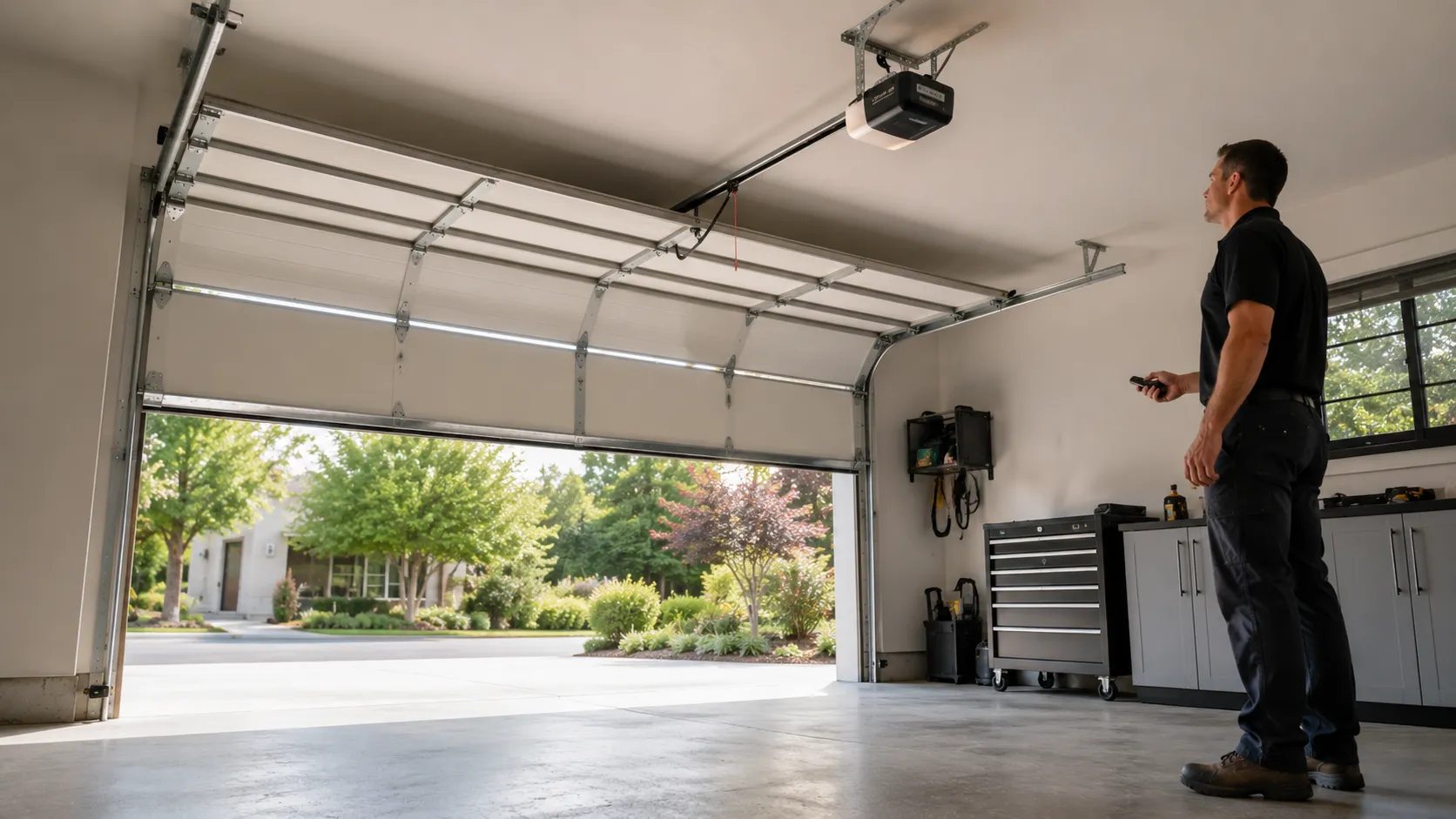
This area sits in a cold, severe climate band, and that matters more for a garage door than people expect. Cold doesn't just make steel brittle - it changes how much a torsion spring has to work, because cold air is denser and a door in an unheated garage gets heavier to lift on a subzero morning. Doors built to the standards common in the 1960s and 70s stock that makes up so much of Eden Prairie weren't engineered with today's insulation expectations in mind.
A single-layer steel door from that era might have an R-value close to zero, which in a severe cold climate means the garage becomes a cold sink that pulls heat out of anything attached to it - including a mudroom or laundry room on the other side of the wall. When we talk about buying a replacement door here, insulation isn't a nice-to-have add-on. It's the part of the spec sheet that actually matches the climate this house sits in, not a generic upsell pulled from a catalog.
What Changes With the Season
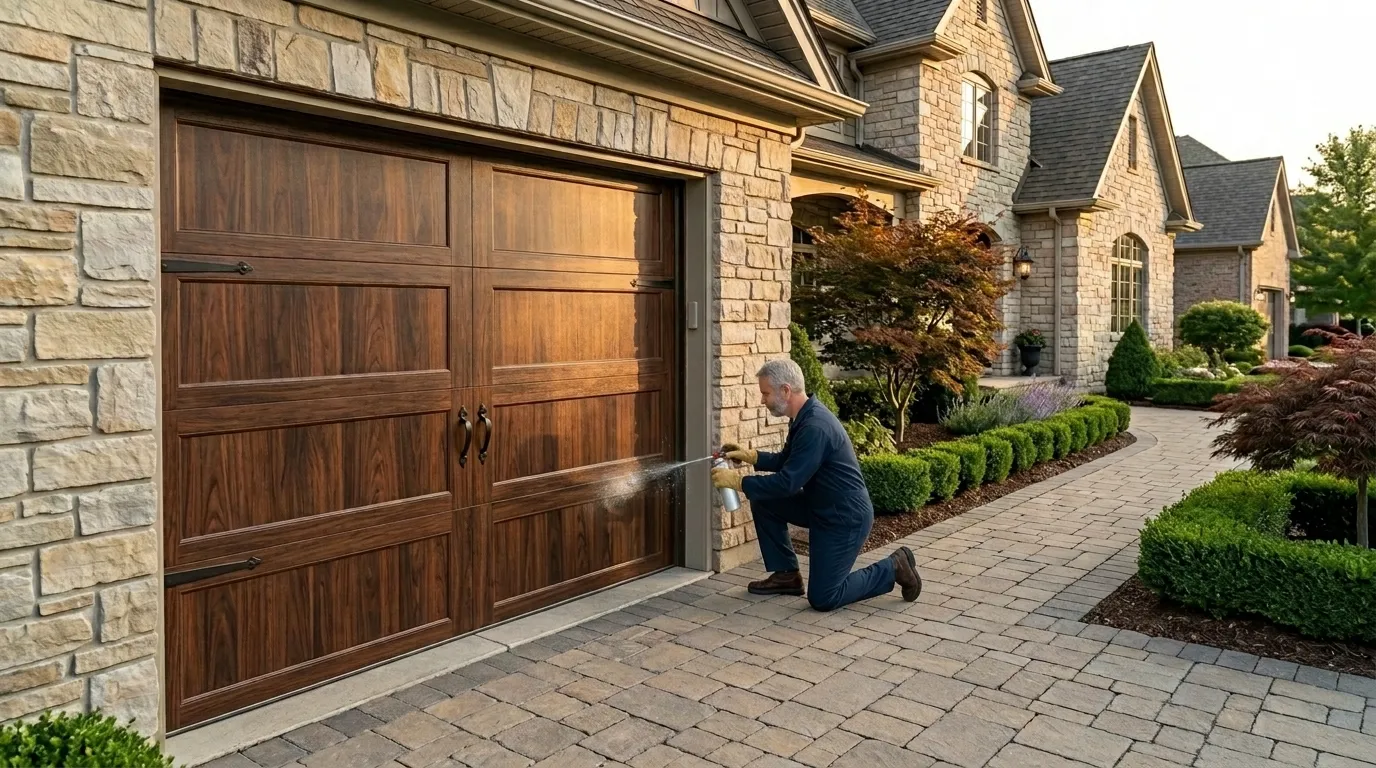
A door that opens fine in September can bind hard by January. Cold tightens steel and stiffens lubricant, so a track that was a quarter-inch out of alignment in summer becomes a roller that grinds and jumps once temperatures drop. In a severe cold climate, that's not an occasional problem - it's the annual pattern.
Springs also lose a measure of tension in extreme cold, which is why a door that felt balanced in August can suddenly feel heavy enough to strain an opener motor in deep winter. If you're weighing a repair against a full replacement, this is the season that tells you the truth: a marginal door usually fails in the cold months, not the mild ones. That's also when weatherstripping on an older door - especially anything original to a house built decades ago - shows its age, letting in enough cold air to frost the inside of the panel.
None of this means every winter call ends in a new door. Plenty of issues are a worn seal or a spring adjustment. But if a door has been struggling every winter for a few years running, that's a pattern, not bad luck.
What to Look At First
Before assuming you need a new door, check three things. First, the springs - if the door won't stay open halfway on its own, tension is gone and that's a spring job, not necessarily a door job. Second, the track alignment - run a level along it; if it's more than an eighth of an inch off over four feet, rollers will keep binding no matter what door sits on it.
Third, and this is the one tied to the age of housing here, check the door's insulation rating if you can find the original spec or a manufacturer sticker. In a house built during Eden Prairie's main construction era, a lot of doors were never rated for the kind of sustained cold this climate band sees, and no amount of weatherstripping fixes that gap. One honest limitation: we can't tell you whether your specific door is repairable from a phone description.
Hardware condition varies a lot even within homes built the same year, so the real answer usually comes from someone standing in front of the door.
How We Can Help
Garage Door Repair
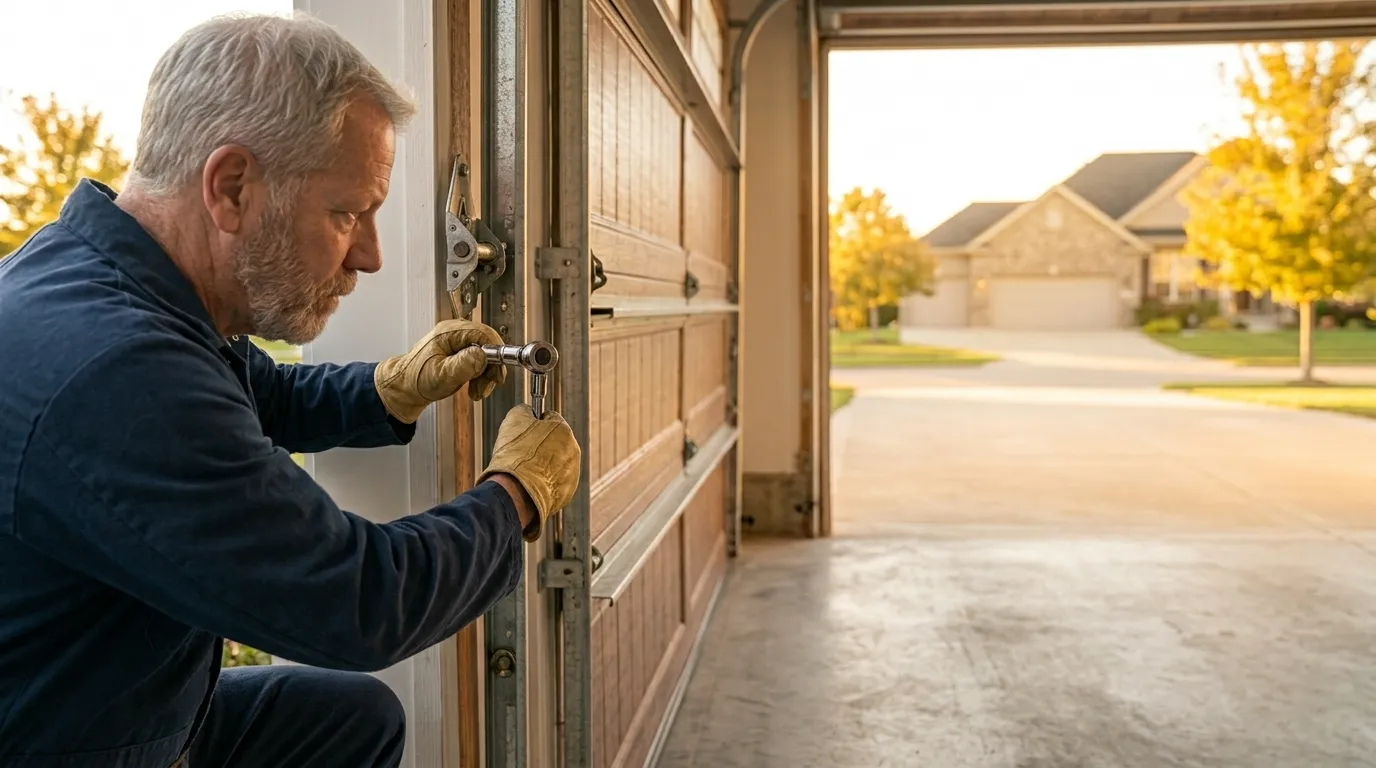
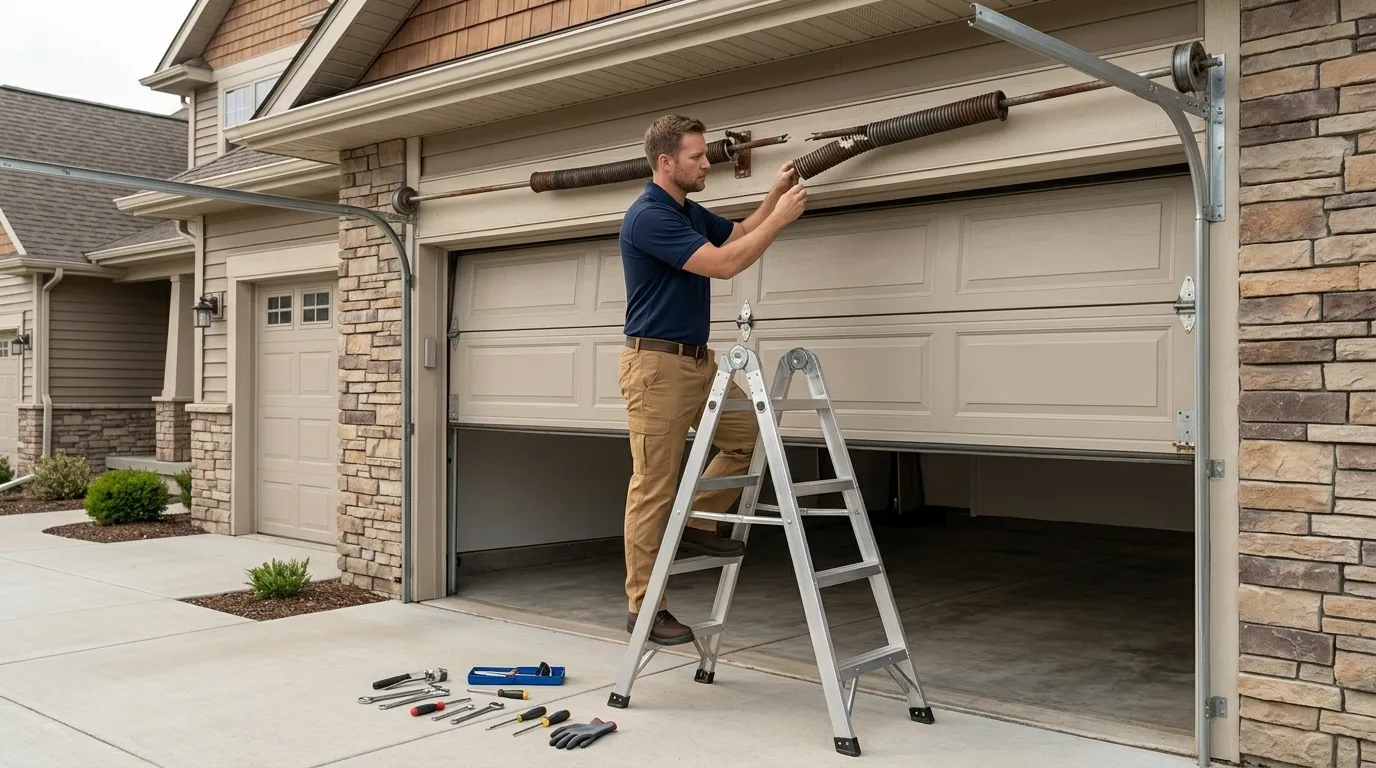
Springs, cables, tracks, rollers, and openers fixed by a tech who explains the problem before touching anything.
Learn more →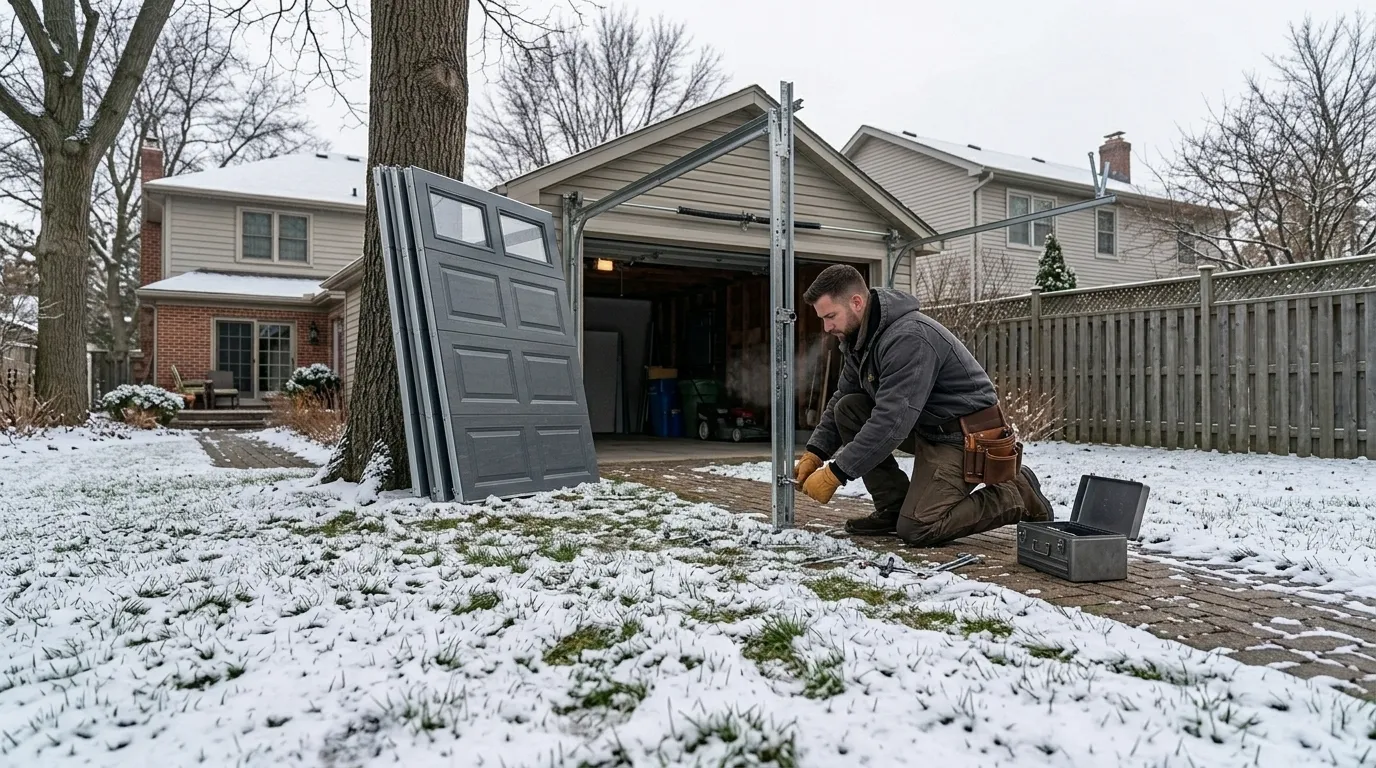
Garage Door Installation
New sectional doors sized and installed for the housing stock actually built in this area.
Learn more →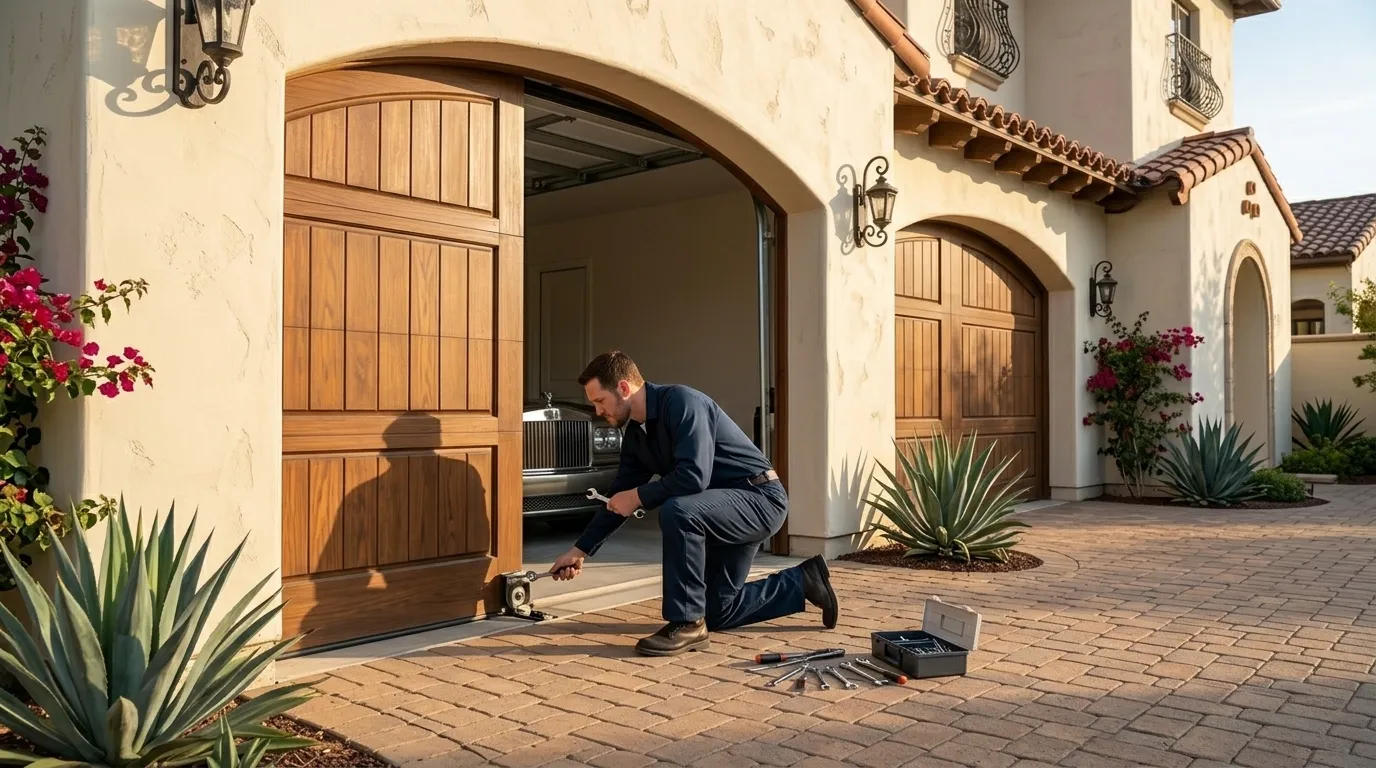
Garage Door Service
Tune-ups, lubrication, and safety checks that catch a small problem before it becomes a service call.
Learn more →Frequently Asked Questions
Is it worth replacing a garage door that still opens and closes fine?
If it's original to a house from Eden Prairie's main building era and has no real insulation, it's probably costing you in heat loss even while it still works. Function isn't the only measure - in a severe cold climate, an uninsulated door can leave an attached garage running far colder than it should.
Why does my door get harder to open in winter specifically?
Cold stiffens the lubricant on rollers and tracks and can reduce spring tension, so a door that's marginally out of alignment in summer starts binding once temperatures drop. This shows up every winter in a climate band like ours, and it's usually the first sign a door needs real attention, not just a squirt of oil.
How do I know if my garage door's insulation matches the climate here?
Check for a manufacturer R-value sticker on the inside panel. Many doors installed during Eden Prairie's 1960s-70s construction wave predate current insulation standards, and in a severe cold climate that gap shows up as a genuinely cold garage, not just a minor draft.
Have a Door That Needs a Second Opinion?
Call and describe what it is doing - we will tell you what it likely is.