
Eden Prairie, MN
Service
Garage Door Roller Replacement, Eden Prairie and the West Metro
Rollers jump the track, grind, or seize on Eden Prairie garage doors built between 1957 and 2005. We replace steel and nylon rollers on the original hardware.
- Licensed & Insured
- Same-Area Service Calls
- Upfront Pricing
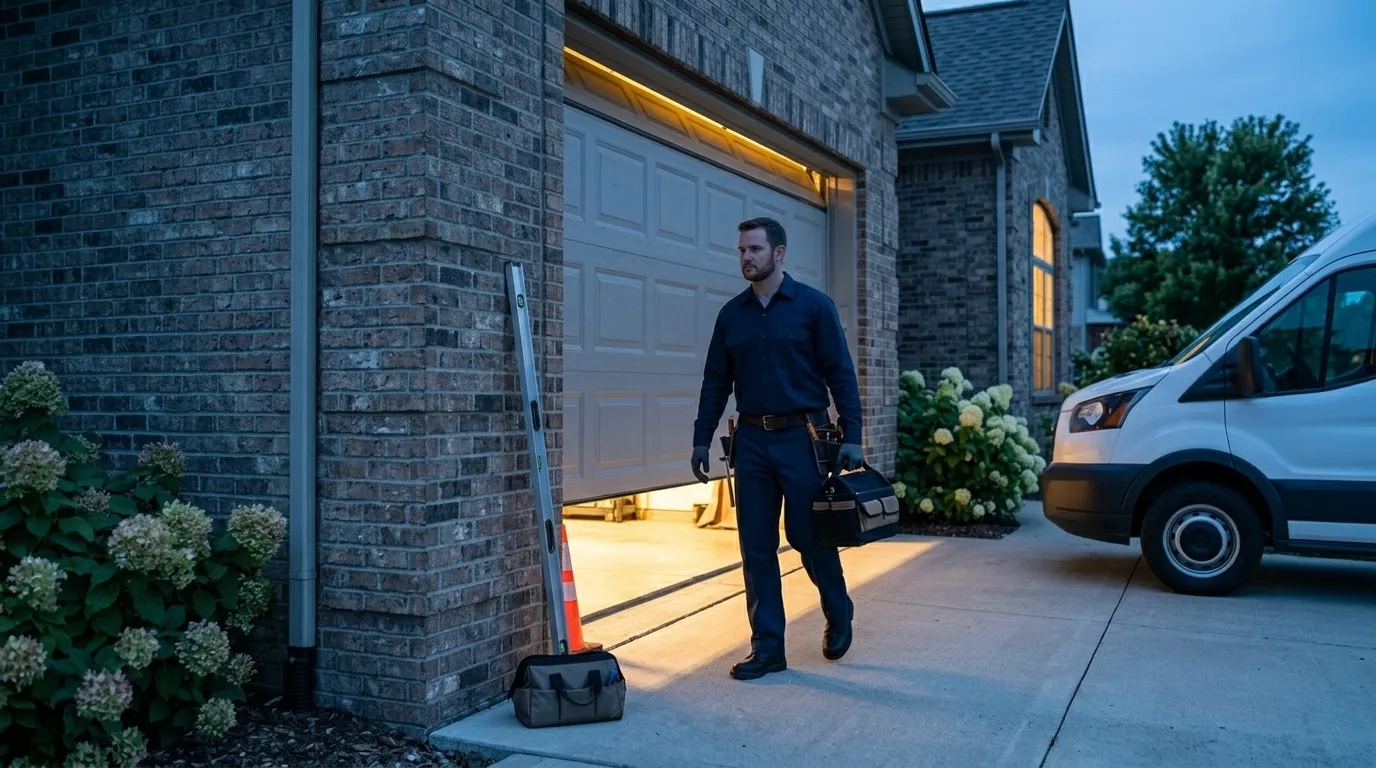
What Happens When You Call
-
1
Call or Request a Quote
Tell us what the door is doing and roughly how old the house is - that alone points us toward the likely part before a truck leaves.
-
2
On-Site Diagnosis
A tech checks the spring, cables, tracks, and opener in person and tells you plainly what is actually wrong.
-
3
Straight Price, No Surprises
You get a number before any work starts. It covers parts and labor, nothing added after the fact.
-
4
Fixed the Same Visit
Most repairs are done in one trip. If a part needs sourcing, we tell you that upfront instead of guessing.
Why It Happens Here
Most of the housing across this stretch of the west metro went up between 1957 and 2005, with the median build year landing around 1977 - right in the middle of the era when builders hung doors on steel rollers riding in steel track, not the sealed-bearing nylon you'd spec today. Steel-on-steel wears fast, and it wears faster here. This is a cold-band climate, and cold-soaked steel track shrinks just enough to bind a roller that's already lost its lubrication.
Housing stock across the 43 named areas we cover, centered on Eden Prairie, went up mostly in the 1960s and 70s, with the overall build window running 1957 to 2005, so the failure mode is consistent from house to house: hardened wheels, chipped nylon sleeves, and stems that have rusted into the roller bracket. We also see it on newer doors where a builder-grade plastic roller was never meant to run more than a few thousand cycles. Two or three winters of freeze-thaw on an unlubricated track and that roller starts throwing metal shavings, or it just stops turning and starts scraping.
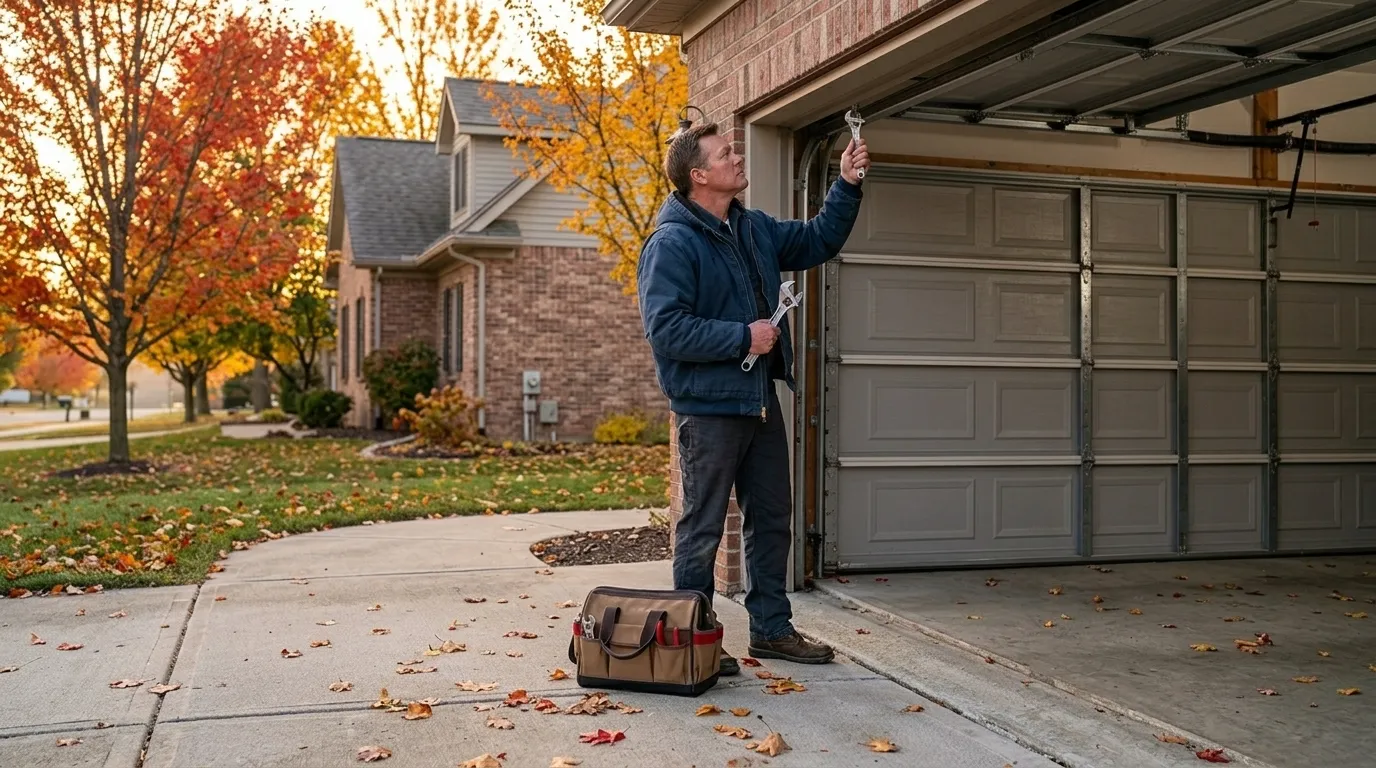
What the Repair Takes
A roller job starts with the door unplugged from the opener and locked down so the section doesn't drop while we're working. We pull the roller brackets one at a time, working around the door instead of dropping a whole side, because on some of the older tracks here the bottom bracket doubles as a cable anchor and you don't want that side unsupported even for a minute. Each roller gets checked against the stem length and hole spacing on the hinge before we swap it - the older four-inch stems and the shorter two-inch stems from different eras don't interchange cleanly, and mixing them is how you get a door that won't sit flush.
If the track itself is bent or the roller has been grinding long enough to chew up the track wall, rollers alone won't fix it - that's a track section, and we say so before we start rather than after. Most jobs run one to two hours depending on whether it's a full set of ten rollers or a couple of failures on one side. We test the full cycle before we leave, listening for the noise coming back.
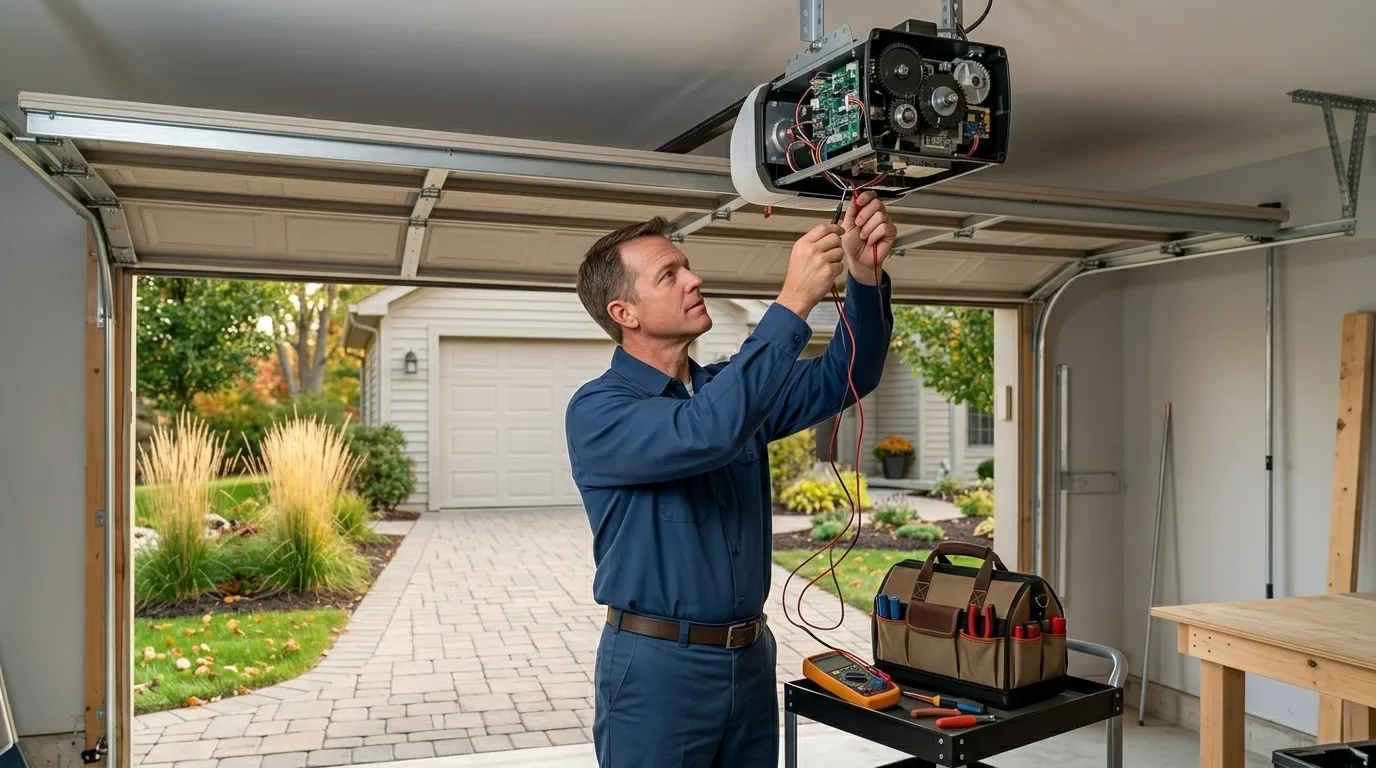
Parts We Carry
We stock nylon rollers with sealed ball bearings as the standard swap on residential doors, since they run quieter than steel and don't need the periodic oiling steel rollers demand - a real advantage for owners across this stretch of the west metro, from Chanhassen to Excelsior to Deephaven, who don't want a maintenance task added to their list every winter. For doors still running the original steel rollers from the 1960s-70s construction era, we carry direct steel replacements when a homeowner wants to match the existing hardware rather than convert.
Stem lengths run two-inch, three-inch, and four-inch to match the hinge spacing on older versus newer track systems, and we carry both 7-ball and 10-ball bearing rollers for heavier doors. What we don't stock is every specialty roller for imported or discontinued door lines - if your door uses a proprietary track profile, that part may need to be special-ordered, and we'll tell you the lead time before we quote the job rather than after.
What You Are Seeing
A grinding or squealing noise when the door moves, especially loudest partway through the cycle, is almost always a roller losing its bearing surface. A door that jumps or shudders at the same spot on every open is a roller that's gone flat-sided or cracked and is bumping through the track instead of rolling through it. If you see black rubber-like flakes or metal shavings on the floor under the track, that's the roller shedding material as it fails.
A door that's come off the track entirely on one side, tilting in the opening, is usually a roller that snapped its stem - that's not a call to wait on, since the door can drop unevenly and put weight on hardware that isn't built to carry it alone. Chanhassen sits five miles out, Excelsior six, Deephaven seven - homes in that ring share the same 1960s and 70s roller hardware we replace every week, and the symptoms read the same no matter which street you're on.
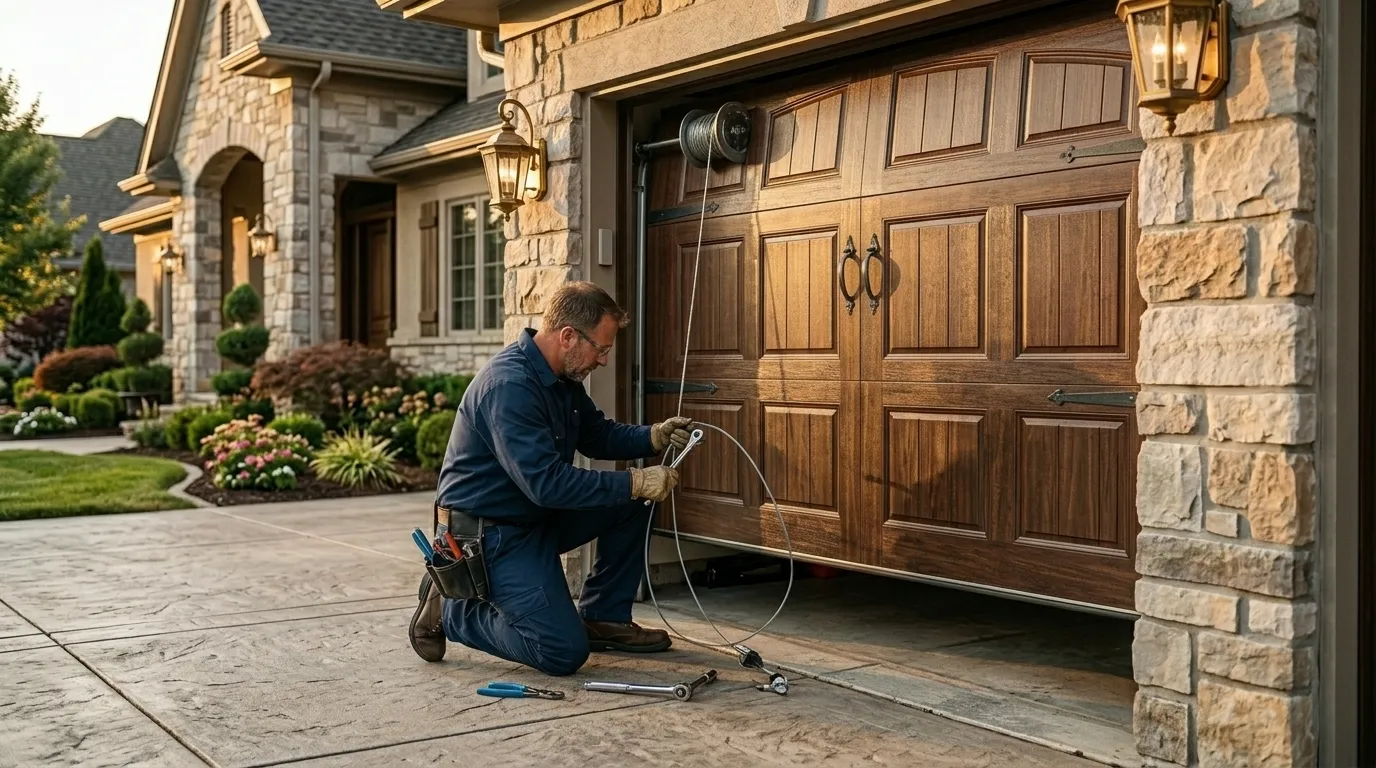
Talk to a Technician Before You Book
Describe what the door is doing and get a straight answer on what it likely needs.
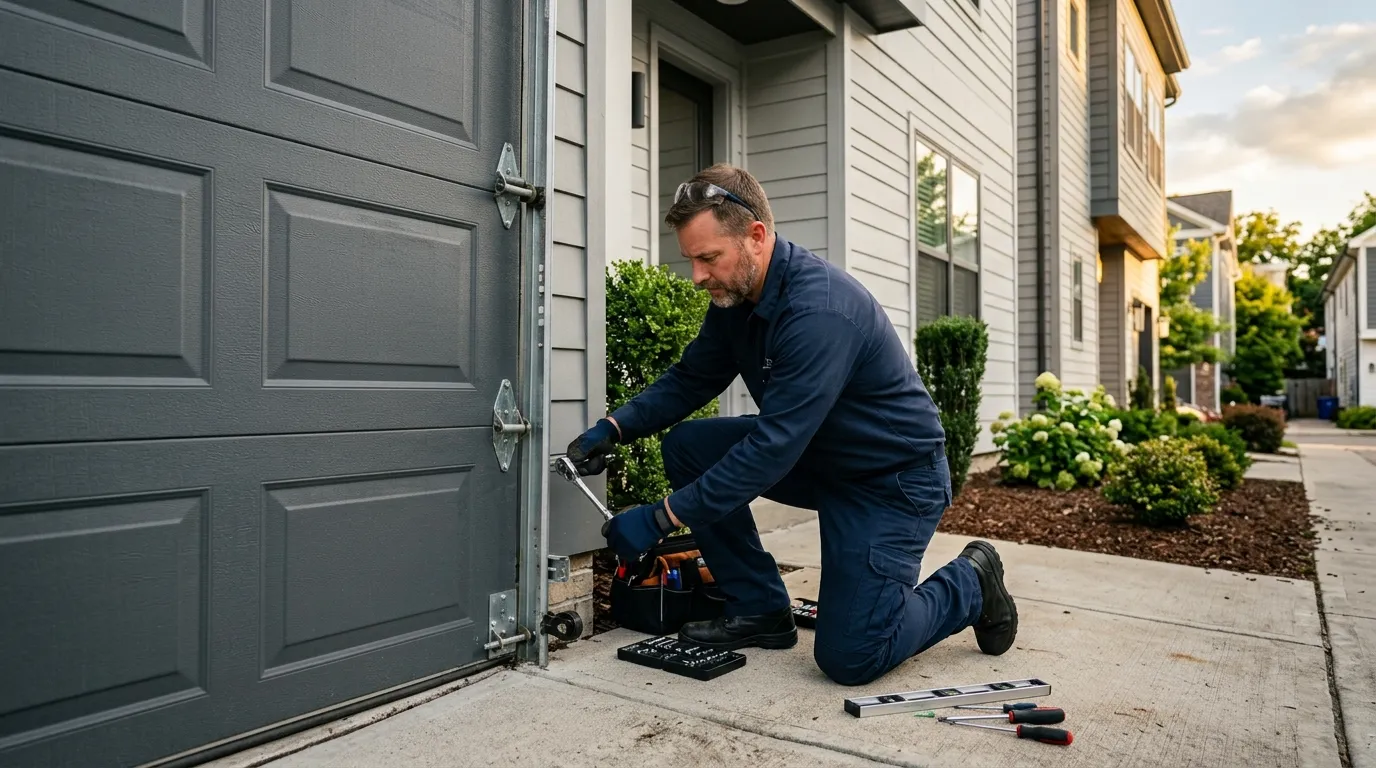
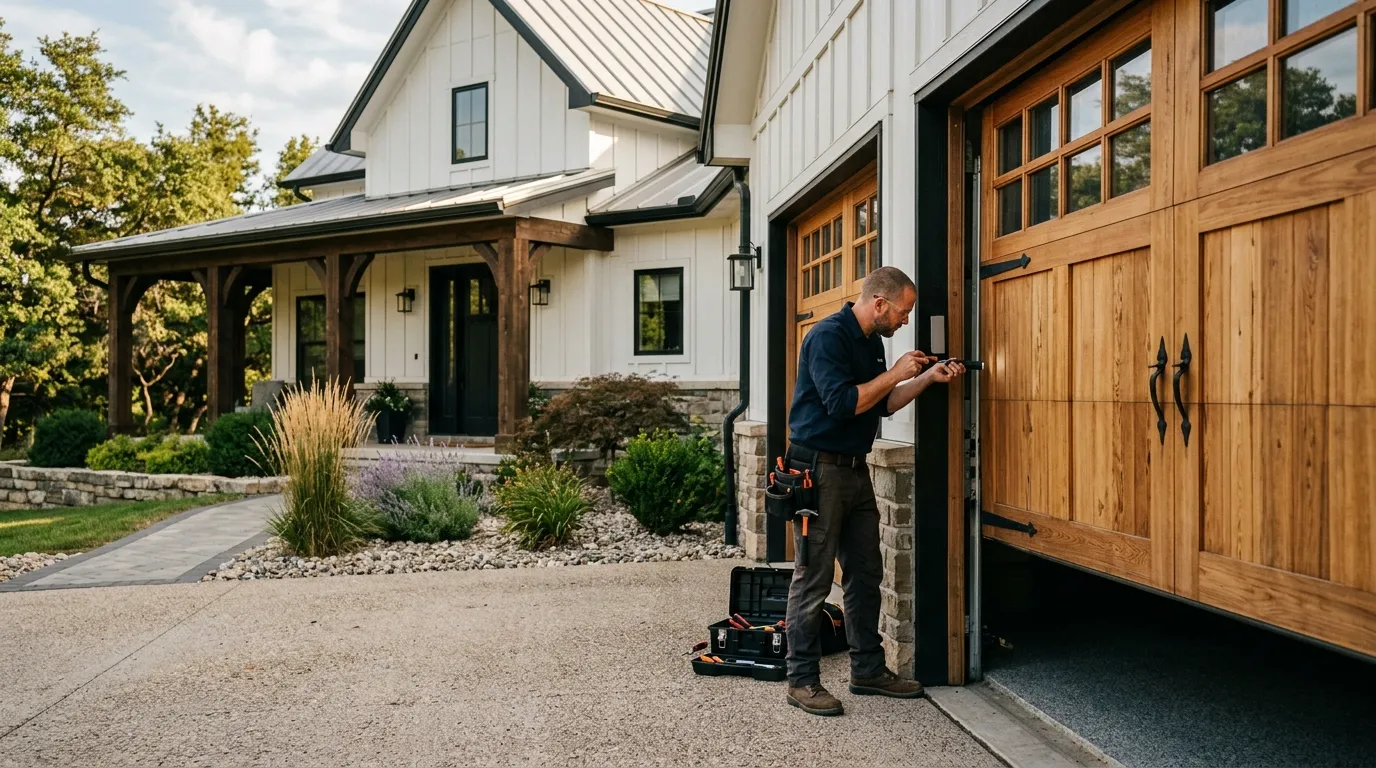
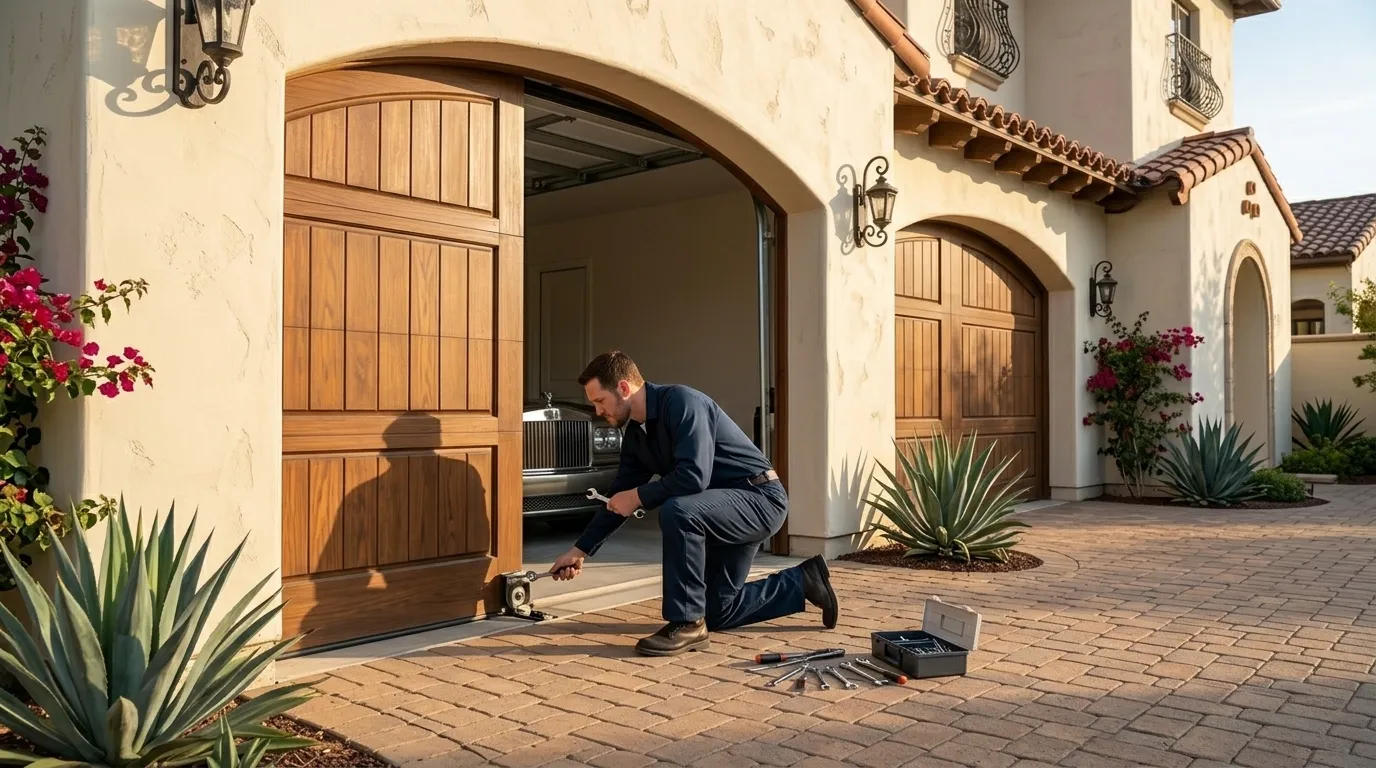
Jobs Like Yours
Recent work from this service line.

Why Eden Prairie Calls Us
Frequently Asked Questions
How many rollers does a standard garage door use?
Most residential doors run two rollers per section, so a typical four-section door has eight to ten rollers counting the top and bottom brackets. We usually recommend replacing the full set at once, since if one has failed from age or cold-cycle wear, the others are close behind and it saves a second trip.
Can I just replace the one roller that's grinding?
You can, and sometimes that's the right call if the door is newer or the rest of the rollers still look good. But on houses from the 1960s-70s stock across this area, the rollers usually wore in together, so a single replacement often just buys a few months before the next one goes.
Will new rollers fix a noisy door by themselves?
Often yes, if the noise is the roller itself. But a bent track, worn hinges, or a spring that's lost tension can all sound similar, and rollers won't fix those. We check the whole run before quoting so you're not paying for rollers when the real noise is coming from somewhere else.
How long does a roller replacement take?
A full set of ten rollers on a standard double door usually runs one to two hours, including the test cycle after. A single-side repair goes faster. Jobs that turn up bent track or damaged hinges take longer, and we'll tell you that before we start, not after.
Need Garage Door Roller Replacement, Eden Prairie and the West Metro?
Call now for straight answers on cost and timing.